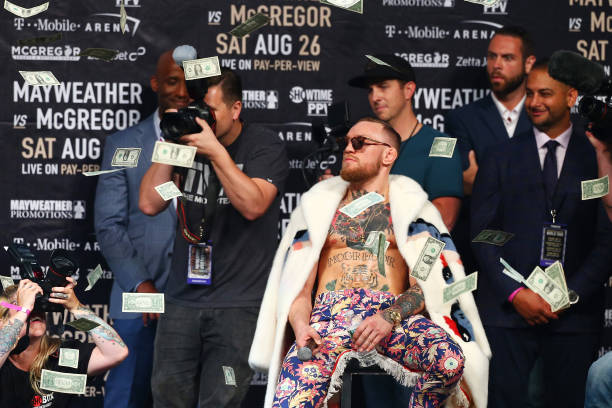
Fighter pay is one of the most contentious issues in mixed martial arts. While the sport has grown into a multi-billion-dollar industry, many athletes, even at the highest levels, struggle to make a living wage. The debate over fighter compensation continues to rage, with fighters, fans, and analysts calling for greater equity in how revenue is shared between organisations and the athletes who put their bodies on the line.
The Scope of the Problem
Disparities in Revenue Sharing
MMA promotions, particularly the UFC, generate massive revenues through pay-per-view (PPV sales), sponsorships, ticket sales, and broadcasting rights. Despite this, fighters often receive a relatively small percentage of this revenue.
- The UFC: As the sport’s dominant organisation, the UFC typically pays fighters around 16–20% of total revenue. This contrasts sharply with sports like the NFL, NBA, and MLB, where athletes receive closer to 50% of revenue.
- Other Promotions: Smaller promotions such as ONE or PFL generally offer less revenue, though they may provide additional incentives like tournament payouts or sponsorship freedom.
Unequal Pay Structure
The UFC’s pay structure is often criticised for its wide disparity:
- Low-End Fighters: Many fighters start their UFC careers earning around $12,000 to show and an additional $12,000 to win. After taxes, training expenses, and management fees, this figure dwindles significantly.
- Top Earners: Stars like Conor McGregor and Israel Adesanya earn millions per fight, but they are exceptions rather than the rule.
- Performance Bonuses: Bonuses like “Fight of the Night” ($50,000) help some fighters earn more, but these are not guaranteed and often depend on subjective criteria.
Hidden Costs of Being an MMA Fighter
Unlike team sports athletes, MMA fighters bear numerous out-of-pocket expenses:
- Training Camps: High-level training requires paying for coaches, sparring partners, and facilities, which can cost tens of thousands of dollars per camp.
- Management Fees: Managers typically take 10–20% of a fighter’s earnings.
- Medical Bills: While promotions often cover fight-related injuries, fighters are responsible for their own insurance outside of competition.
- Travel and Lodging: Fighters often have to pay for their team’s travel expenses, which can cut deeply into their earnings.
High-Profile Cases of Fighter Discontent
Francis Ngannou
The former UFC heavyweight champion frequently voiced dissatisfaction with his pay. Despite headlining major events, Ngannou argued that his earnings did not reflect his value to the organisation or the risks he took. His decision to leave the UFC and seek better financial opportunities highlighted the pay gap.
Nate Diaz
Diaz, a long-time UFC fighter, has publicly criticised the UFC’s pay structure. Despite being a major draw, he often felt underpaid compared to his promotional value, particularly after his fights with Conor McGregor brought the UFC significant revenue.
Jake Paul’s Advocacy
Sometimes, the worst person you know makes a valid point, and you have to give them a little bit of credit. YouTuber-turned-boxer Jake Paul has become a vocal advocate for fighter pay, frequently criticising the UFC and calling for fighters to earn a fairer share of revenue. While Paul’s involvement is controversial, due to his involvement in the sport of boxing taking away the limelight from actual pro-boxers and the fact he’s signed a deal with the PFL, who only really pays their biggest stars well, it has brought mainstream attention to this prevalent issue.
Reasons Fighters Are Underpaid
- Lack of a Fighters’ Union Unlike athletes in other major sports, MMA fighters are not unionised. This lack of collective bargaining power leaves fighters individually negotiating contracts with promotions that hold disproportionate power.
- Promotion Dominance The UFC’s near-monopoly in MMA gives it significant leverage over fighters. Competitors like Bellator and PFL exist but cannot offer the same exposure, making it difficult for fighters to negotiate better deals.
- Exclusive Contracts Most MMA promotions, especially the UFC, require fighters to sign exclusive contracts. These contracts prevent fighters from competing elsewhere or seeking additional income through rival promotions.
- Revenue Model The UFC’s PPV-driven model rewards the organisation more than individual fighters. Even fighters headlining a card might earn a fraction of what the promotion earns from PPV sales.
Efforts to Improve Fighter Pay
Antitrust Lawsuits
Fighter pay in MMA remains a contentious issue, and legal battles have played a significant role in addressing perceived inequities. The UFC, the sport’s dominant promotion, has faced multiple antitrust lawsuits accusing it of underpaying fighters and stifling competition. Recently, significant progress was made in one of these cases.
Antitrust Lawsuits Against the UFC
The Le v. Zuffa Case: $375 Million Settlement
A Nevada judge has granted preliminary approval for a $375 million settlement to resolve the first of two major antitrust lawsuits against the UFC. Filed in 2014, the Le v. Zuffa case alleged that the UFC violated antitrust laws by:
- Paying fighters less than their fair market value.
- Engaging in anticompetitive practices to suppress other MMA promotions.
This settlement is a major development in the decade-long legal battle.
- Timeline of the Case:
- Initially, the plaintiffs sought damages for fighters who competed in the UFC between 2010 and 2017.
- In July 2023, a proposed $335 million settlement was rejected by Judge Richard Franklin Boulware II, who deemed the amount insufficient.
- A revised settlement of $375 million was agreed upon in September 2023 and received preliminary approval in December 2023.
- Next Steps:
- A hearing for final approval of the settlement will be held in the coming months.
- The final payout to the several hundred fighters involved will be calculated after legal fees are deducted.
- Statements from Key Parties:
- UFC spokesperson: “We are pleased to be another step closer to bringing the Le case to a close.”
- Eric Cramer, lead attorney for the plaintiffs: “It is a monumental achievement that will get significant relief to hundreds of deserving MMA fighters.”
- Fighters such as Shane Carwin, a former UFC interim heavyweight champion, expressed that this settlement could be life-changing, citing financial struggles and health issues such as CTE.
Implications for Fighters
The settlement represents a significant victory for fighters, providing much-needed financial relief for those who competed during the covered period. However, the lawsuit also highlighted the financial hardships and long-term health challenges faced by many MMA athletes.
Ongoing Antitrust Cases
The second antitrust lawsuit, Johnson v. Zuffa, is still pending. This case covers fighters from 2017 to the present and seeks monetary damages and permanent changes to the UFC’s business practices. Key demands include:
- Adjustments to fighter contracts.
- Increased transparency in how fighters are compensated.
- Reforms to prevent the UFC from maintaining an unfair monopoly in the market for elite MMA talent.
The outcome of this case could lead to structural changes that benefit fighters across the sport, potentially addressing systemic issues of underpayment and restrictive contracts.
Free Agency
Some fighters, like Francis Ngannou and Eddie Alvarez, have used free agency to secure better deals with rival promotions. While not a universal solution, it gives top fighters more negotiating power.
Calls for a Fighters’ Union
Several fighters, including Leslie Smith and Georges St-Pierre, have advocated for unionisation. A fighters’ union could negotiate better contracts, benefits, and revenue-sharing agreements, but efforts to organise have faced significant resistance.
Sponsorship Freedom
The UFC’s exclusive Reebok and later Venum sponsorship deals restricted fighters from displaying personal sponsors during fights. Allowing fighters to secure their own sponsorships, as is common in promotions like Bellator, could help fighters supplement their income.
Comparisons to Boxing
Boxing, another combat sport, offers an interesting contrast to MMA. Top boxers like Tyson Fury or Canelo Álvarez routinely earn tens of millions per fight. This is largely due to boxing’s decentralised model, where multiple promoters compete for fighters, driving up pay. However, lower-tier boxers often face the same struggles as underpaid MMA fighters, highlighting the pay gap even within combat sports.
Conclusion
The issue of fighter pay in MMA is complex and multifaceted. While promotions like the UFC have propelled the sport to global prominence, the athletes themselves often receive a disproportionately small share of the profits. Fighter pay is unlikely to improve significantly without structural changes—such as unionisation, increased competition among promotions, or a shift in revenue-sharing models. While the sport is monopolised by the UFC, I don’t believe there will actually be a significant change in fighter pay.
For MMA to thrive as a professional sport, the industry must find ways to compensate fighters fairly. These athletes risk their health and livelihoods to entertain fans and build the sport. Ensuring they are paid appropriately isn’t just a financial issue—it’s an ethical imperative.
 TheWrestlingFallacy
Leave a reply to Dana White Explains Why Fighters Don't Deserve More Money – Gamechangers 365 Cancel reply