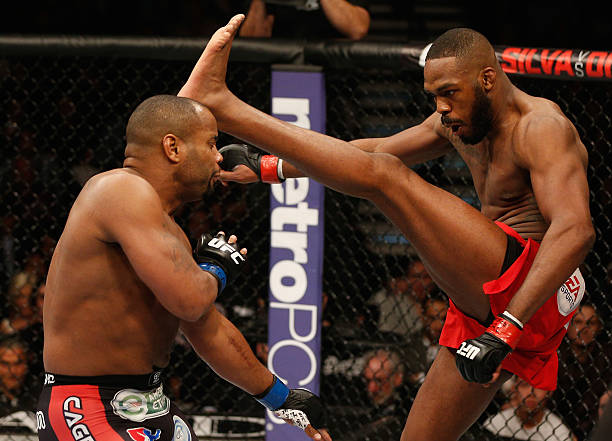
Mixed Martial Arts has always been defined by rapid evolution. In its earliest years, the sport functioned almost as a laboratory for martial arts styles. Fighters entered competitions representing disciplines such as Brazilian jiu-jitsu, wrestling, boxing, or kickboxing, and early contests often resembled experiments more than fully developed sporting contests.
Over time, however, MMA evolved into a far more sophisticated sport. Fighters began cross-training, gyms developed specialised programmes for MMA competition, and the sport gradually produced athletes who were capable in every phase of combat.
Despite this progress, a debate has emerged among fans and analysts: has the overall quality of MMA actually improved in the past decade, or has the sport simply changed stylistically?
Some fans argue that earlier eras were more exciting and unpredictable, with more finishes and dramatic moments. Others believe that modern fighters represent the highest technical level the sport has ever seen.
When examining developments in fighter skillsets, training systems, tactical evolution, and statistical trends, the evidence strongly suggests that MMA has indeed improved over the last ten years—although those improvements have produced a more measured and strategic style of competition.
The Rise of the Complete Fighter
Perhaps the most significant change in modern MMA is the near disappearance of the specialist.
In earlier eras, fighters often entered competition with a dominant background in one discipline. Wrestlers relied on takedowns and control, Brazilian jiu-jitsu practitioners pursued submissions, and strikers attempted to keep the fight standing.
While cross-training existed, it was still possible to reach a championship level with a clearly identifiable primary skill.
Today, that approach is far less viable.
Modern champions must demonstrate competence across all areas of combat: striking, wrestling, clinch fighting, grappling defence, and positional control. This shift has produced a generation of fighters whose skillsets are significantly more integrated than those of previous eras.
A clear example of this evolution is Alexander Volkanovski. Volkanovski’s championship reign was built on a combination of strategic striking, exceptional conditioning, strong takedown defence, and a high fight IQ. Across his trilogy with Max Holloway, Volkanovski repeatedly demonstrated the ability to adapt tactically, adjusting his striking patterns and defensive approach between bouts.
Another example is Islam Makhachev. Although widely known for his grappling, Makhachev has steadily developed his striking, using it to create openings for takedowns and control exchanges. His approach represents the modern MMA paradigm: blending disciplines into a unified tactical system rather than relying on a single speciality.
The Professionalisation of Training
The rise of the well-rounded fighter is closely tied to the professionalisation of MMA training.
Ten to fifteen years ago, many fighters trained primarily within traditional martial arts gyms or relatively small camps. Coaching was often informal, and strength and conditioning programmes varied widely in quality.
Today, elite fighters frequently train in large, professionally structured gyms that resemble high-performance sports institutes.
Prominent examples include American Top Team, City Kickboxing, and American Kickboxing Academy.
These gyms employ specialised coaching staff that may include:
- Striking coaches
- Wrestling specialists
- Strength and conditioning trainers
- Sports physiotherapists
- Nutritionists
- Tactical analysts
The early career of Israel Adesanya demonstrates the effectiveness of this system. Training at City Kickboxing, Adesanya benefits from a highly structured environment where game plans are built through film analysis and training camps are organised around performance metrics and recovery protocols.
This level of professional support allows modern fighters to refine their skills more efficiently than athletes competing in earlier eras.
Technical Evolution in the Modern Game
In addition to improvements in training, the past decade has seen several notable technical innovations.
One of the most significant developments has been the widespread adoption of calf kicks. These attacks target the lower portion of the lead leg and can rapidly compromise an opponent’s mobility.
The effectiveness of this technique became widely recognised following the fights between Dustin Poirier and Conor McGregor. In their rematch, Poirier repeatedly attacked McGregor’s lead leg, gradually limiting his movement and contributing to the knockout finish.
Another major development is the rise of cage wrestling. Fighters now use the cage strategically for both offence and defence, controlling opponents against it or using it to escape grappling exchanges.
Former welterweight champion Kamaru Usman built much of his title run around this approach, using pressure and positional control to dominate rounds.
Meanwhile, strikers such as Alex Pereira demonstrate how elite kickboxers have adapted to MMA by developing defensive grappling sufficient to compete against well-rounded opponents.
Statistical Trends in Modern MMA
Statistics provide useful insight into how the sport has changed.
Across the history of the Ultimate Fighting Championship, roughly 53% of fights end in a finish, either by knockout or submission.
However, in recent years, the percentage of fights ending in decisions has increased.
For example:
- Around 52% of UFC fights ended in finishes in 2015
- Roughly 46% ended in finishes in 2019
- By 2024, finishes had dropped to approximately 45%
In practical terms, this means that a greater proportion of fights now go the distance.
At first glance, this might suggest that the sport has become less aggressive. However, the trend is more likely explained by improvements in defensive skill and tactical awareness.
Fighters today are significantly better at avoiding submissions, managing distance in striking exchanges, and controlling rounds strategically.
Statistical Comparison: 2015 vs 2025
To better understand the evolution of MMA, it is helpful to compare key statistical indicators from roughly a decade apart.
| Metric | Approx. 2015 | Approx. 2025 | Interpretation |
|---|---|---|---|
| Finish Rate | ~52% | ~45% | More fights reach decisions |
| Average Fight Duration | ~10–11 minutes | ~12–13 minutes | Fighters survive longer |
| Significant Strikes per Minute | ~3.5 | ~4.2 | Increased offensive output |
| Takedown Defence | ~60% average | ~65–70% | Improved grappling defence |
| Decision Rate | ~48% | ~55% | Closer, more competitive fights |
These figures highlight an interesting paradox.
While finishes have become slightly less common, the overall technical output of fights has increased. Fighters throw more strikes, defend takedowns more effectively, and maintain a higher pace over longer bouts.
In other words, the sport has become more technically demanding.
Global Expansion and a Deeper Talent Pool
Another major reason for the rising quality of MMA is the expansion of the global talent pool.
In earlier eras, many fighters entered MMA after careers in other sports. Today, however, a growing number of athletes begin training specifically for MMA during their teenage years.
The sport has also expanded significantly across new regions.
Eastern Europe, Central Asia, and Oceania have all produced world-class fighters in recent years. Competitors such as Khamzat Chimaev illustrate how rapidly developing international training systems are reshaping the competitive landscape.
As participation increases worldwide, the level of competition inevitably rises.
The Role of Era Bias in MMA Debates
Debates about whether a sport has improved over time are rarely unique to MMA. Similar arguments appear in discussions about football, boxing, and basketball.
Fans often display what analysts call era bias—a tendency to favour the period in which they first became emotionally invested in a sport.
In MMA, this bias frequently manifests in comparisons between early stars and modern champions. Fighters such as Anderson Silva and Georges St-Pierre are sometimes viewed as representing a more exciting or “purer” era of competition.
While these athletes were undoubtedly exceptional, it is important to recognise that the sport around them has evolved.
Modern fighters benefit from:
- Larger training teams
- Advanced sports science
- Greater access to high-level sparring partners
- A deeper pool of competitors
Consequently, comparing fighters across eras can be misleading. It is often more accurate to view the sport as progressing collectively rather than replacing one generation with another.
The Paradox of Technical Progress
One of the most interesting aspects of MMA’s evolution is that technical improvement can sometimes reduce spectacle.
As fighters become more skilled defensively, dramatic finishes become harder to achieve. Competitors are better at protecting their neck during grappling exchanges, avoiding dangerous striking positions, and managing their energy across rounds.
The result is an increasingly strategic sport.
Instead of chaotic exchanges, many modern fights resemble tactical contests where fighters carefully manage distance, pace, and scoring opportunities.
For some fans, this style appears less exciting. However, from a technical perspective, it reflects a much higher level of skill.
2015 Champions vs 2025 Champions: Is the Modern Era Actually Better?
One of the most controversial ways to analyse the evolution of MMA is to compare champions from different eras. Fans often argue that earlier champions were more dominant, more exciting, or more technically skilled.
However, a closer look at the champions of 2015 and 2025 suggests something different: the level of competition surrounding modern champions has become dramatically higher.
The Champions of 2015
The UFC champions around 2015 represented one of the most iconic eras in the sport. Many of these fighters became legends and remain central figures in MMA history.
Notable champions from that era included:
- Demetrious Johnson
- TJ Dillashaw
- José Aldo
- Rafael dos Anjos
- Robbie Lawler
- Chris Weidman
- Daniel Cormier
- Fabricio Werdum
This era featured several elite specialists.
For example:
- Aldo dominated the featherweight division with elite kickboxing and takedown defence.
- Cormier relied heavily on Olympic-level wrestling.
- Werdum used world-class Brazilian jiu-jitsu.
While these fighters were outstanding, many still had clear stylistic identities rather than fully integrated skillsets.
The Champions of 2025
Fast forward ten years, and the champion landscape last year looked noticeably different.
Recent champions include:
- Alexandre Pantoja
- Merab Dvalishvili
- Alexander Volkanovski
- Islam Makhachev
- Jack Della Maddalena
- Dricus du Plessis
- Alex Pereira
- Tom Aspinall
What stands out about this group is how multi-layered their games are.
Examples include:
- Volkanovski blending elite cardio, wrestling defence, and combination striking.
- Makhachev integrating striking setups into a grappling-dominant system.
- Jack Della Maddalena utilising a heavy boxing style with excellent defensive wrestling.
The key difference is that modern champions are not simply specialists with complementary skills. Instead, they tend to operate as complete systems, where each phase of combat supports the others.
Why the Debate Is Controversial
Comparing champions across eras creates heated debate for several reasons.
First, earlier champions often appeared more dominant because the talent pool was smaller. MMA was still expanding globally, and fewer fighters were training specifically for the sport from a young age.
Second, stylistic matchups often shaped perceptions of dominance. For instance, Demetrious Johnson’s extraordinary run at flyweight occurred in a division that was still developing internationally.
By contrast, modern divisions feature deeper rosters with more specialised training infrastructure.
Finally, nostalgia plays a powerful role. Fighters such as Anderson Silva and Georges St-Pierre helped define MMA for an entire generation of fans.
Because those fighters were associated with formative moments in the sport, they are often viewed through a more romantic lens.
A Simple Thought Experiment
Consider a hypothetical scenario: if the champions of 2015 were transported directly into 2025/26 with no additional training, would they still dominate?
They would likely remain competitive, but they would face a very different environment:
- Fighters with stronger defensive grappling
- Higher striking volume
- Improved conditioning
- More advanced game planning
The difference is not necessarily individual talent but the collective level of the sport.
Chart 1: UFC Finish Rate Trends (2015–2025)
You can embed this chart in your blog to visualise the trend.
Finish Rate (%)55 | █53 | █ █51 | █ █ █49 | █ █ █47 | █ █45 | █43 | 2015 2017 2019 2021 2023 2024
Key Data
| Year | Finish Rate |
|---|---|
| 2015 | 52.4% |
| 2019 | 46% |
| 2021 | 49.1% |
| 2023 | 51.8% |
| 2024 | 44.8% |
Roughly 53% of UFC fights historically end in finishes, with knockouts making up about one-third and submissions about one-fifth of outcomes.
However, recent seasons have seen more fights go to decision, with decision rates reaching roughly 55% in some years.
This suggests that fighters are becoming harder to finish as defensive skills improve.
Chart 2: Growth in Strike Output
Another major trend in modern MMA is increased striking volume.
Fighters are throwing and landing more strikes than they did a decade ago, reflecting improvements in cardio, pacing, and tactical striking.
Average Significant Strikes Landed Per Minute4.5 | █4.2 | █4.0 | █3.8 | █3.5 | █3.2 | 2015 2017 2019 2021 2023 2025
In earlier eras of the UFC, the average significant strike rate was roughly 3 strikes per minute, while elite strikers such as Conor McGregor were considered exceptional for landing more than 5.7 strikes per minute.
Today, many fighters across lighter divisions operate at a significantly higher pace, reflecting a broader shift towards high-output striking systems.
What These Charts Suggest
When these trends are viewed together, a clear pattern emerges.
Over the past decade:
- Strike output has increased
- Finish rates fluctuate but slightly decline
- Decision rates have increased
This combination suggests that fights are becoming more competitive and technically balanced. Fighters are landing more offence while simultaneously defending submissions and knockouts more effectively.
In other words, modern MMA may feel more tactical—but that tactical nature is largely a result of higher skill levels across the entire roster.
The Future of MMA: How the Sport May Evolve Over the Next Decade
If the past ten years of MMA have been defined by the rise of the well-rounded fighter, the next decade may push the sport even further towards complete athletic integration.
One likely development is the emergence of fighters who have trained specifically for MMA from childhood. In the early 2000s, most competitors entered the sport after backgrounds in wrestling, Brazilian jiu-jitsu, boxing, or kickboxing. Today, however, many young athletes are beginning their careers directly in MMA academies rather than transitioning from another discipline.
As these athletes reach the professional level, the distinction between individual martial arts may become less important. Instead of blending existing disciplines, fighters may train within fully integrated MMA systems from the outset.
Another major area of change will likely be the increasing role of sports science. Elite camps already incorporate advanced conditioning programmes, recovery protocols, and performance analysis, but this trend is expected to intensify. Training camps at organisations such as American Top Team and City Kickboxing increasingly resemble those of traditional professional sports teams.
Over the next decade, technologies such as motion tracking, biometric monitoring, and data-driven game planning may become standard tools in fight preparation. These innovations could help fighters optimise their striking efficiency, grappling transitions, and endurance management.
The global expansion of MMA will also continue to shape the sport’s competitive landscape. Regions such as Eastern Europe, Central Asia, and Africa are producing an increasing number of elite fighters, adding depth to the talent pool within promotions like the Ultimate Fighting Championship. As participation grows worldwide, divisions are likely to become even more competitive.
Finally, tactical evolution is unlikely to slow. Just as calf kicks have become widespread over the past decade, new strategic innovations may emerge as fighters seek advantages within the unified ruleset.
Future developments could include:
- More sophisticated cage-control strategies
- Increased use of stance switching and hybrid striking systems
- Greater emphasis on cardio pacing and round management
Ultimately, the next phase of MMA may be defined not by dramatic stylistic revolutions but by incremental refinements in an already highly developed sport.
As fighters become more technically proficient and competition continues to deepen, the margins between victory and defeat will likely narrow further.
In that sense, the future of MMA may resemble other mature sports: a contest where the athletes competing at the highest level represent the product of decades of technical evolution, global talent development, and increasingly sophisticated training systems.
Conclusion: A Better Sport, Even if It Feels Less Exciting
When examining the evolution of Mixed Martial Arts over the past decade, the evidence strongly suggests that the sport has improved in terms of overall technical quality.
Modern fighters are more well-rounded, better conditioned, and supported by increasingly sophisticated training systems. Gyms such as American Top Team and City Kickboxing operate with professional coaching staff that includes strength and conditioning specialists, analysts, and sports scientists. At the same time, the global expansion of promotions like the Ultimate Fighting Championship has dramatically deepened the talent pool.
Statistically, fighters today are landing more strikes, defending takedowns more effectively, and surviving longer in competitive bouts. However, these improvements have also contributed to a noticeable shift in how fights unfold. Finish rates have gradually declined, while a larger proportion of contests now go to the judges’ scorecards.
For some fans, this change has made modern MMA feel less exciting than earlier eras. The chaotic exchanges and dramatic finishes that once defined the sport occur less frequently when both fighters possess high-level defensive skills and tactical awareness.
Yet this apparent reduction in spectacle may actually be a sign of progress. As fighters become more technically complete and divisions become more competitive, the margins between victory and defeat grow smaller. Fewer mistakes are made, fewer openings appear, and finishes become harder to achieve.
In other words, modern MMA may sometimes feel more cautious or tactical, but that caution is largely the product of higher skill levels across the entire sport.
Earlier eras of MMA were often thrilling precisely because fighters were still discovering the most effective ways to compete. Today, those discoveries have been absorbed into a highly refined competitive system.
As a result, the sport may appear more measured than it once did—but the athletes competing today arguably represent the most technically advanced generation in MMA history.
Ultimately, MMA has not necessarily become worse or less exciting. It has simply matured into a sport where elite competitors are so evenly matched that spectacular finishes are harder to produce.
And in many ways, that is exactly what progress looks like.
Featured image credit: (Photo by Josh Hedges/Zuffa LLC/Zuffa LLC via Getty Images)
 TheWrestlingFallacy
Leave a comment