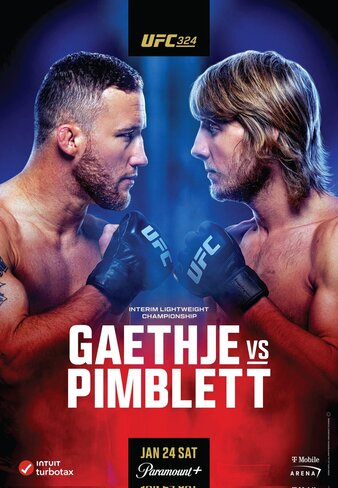
UFC 324 starts the MMA year with a bang. It is not merely another numbered event; it is a card defined by stylistic contrasts, generational tension and fights that could reshape multiple divisions. From a lightweight main event layered with narrative intrigue to undercard match-ups that may quietly recalibrate contender hierarchies, this is an event built on consequence rather than spectacle alone.
Main Event: Justin Gaethje vs Paddy Pimblett – Interim Lightweight Title
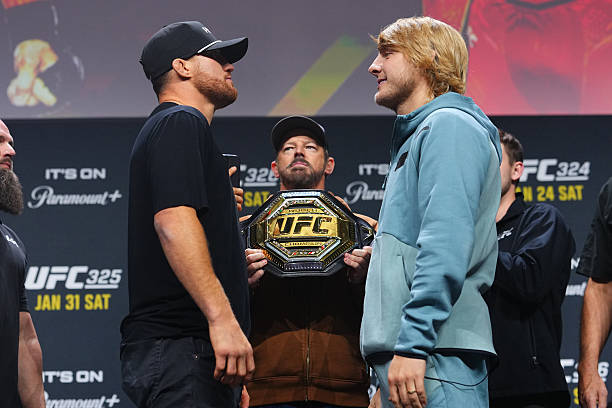
At first glance, this main event reads as chaos versus charisma. In reality, it is a far more nuanced clash between experience, durability and tactical evolution.
Justin Gaethje enters UFC 324 as one of the most battle-hardened lightweights of his generation. While his reputation was built on violence, his modern approach is far more calculated. Gaethje now operates behind structured pressure, systematic leg kicks and intelligent positioning. His willingness to absorb damage is not recklessness but a strategic choice, allowing him to remain in range where his power and timing are most effective.
Paddy Pimblett, meanwhile, arrives with momentum and scepticism in equal measure. His striking can appear unorthodox, even loose, but that unpredictability is intentional. Pimblett thrives in transitional moments: scrambles, broken rhythms and sudden changes of phase. His submission game is opportunistic rather than methodical, relying on opponents overreacting rather than being outworked positionally.
Tactical Fault Lines
The fight is likely to be decided by geography and pace. Gaethje’s priority will be centre control, forcing Pimblett onto the back foot and attacking the lead leg early to limit movement. If successful, this would narrow Pimblett’s options and reduce his ability to dart in and out safely.
Pimblett’s clearest path lies in disruption. Repeated level changes, clinch entries and messy transitions can prevent Gaethje from settling into a striking rhythm. Even unsuccessful takedown attempts may serve a purpose by forcing resets and creating openings during scrambles.
Why the Outcome Matters
A Pimblett victory would represent a definitive shift in how he is perceived. Winning an interim title against a proven elite would transform him from a popular attraction into a legitimate championship threat, accelerating his path towards undisputed gold.
A Gaethje win, by contrast, reinforces the enduring value of experience at lightweight. Capturing interim gold would place him one fight away from the undisputed title and frame UFC 324 as the gateway to the final, defining chapter of his career.
Co-Main Event: Sean O’Malley vs Song Yadong – Bantamweight Pressure Test
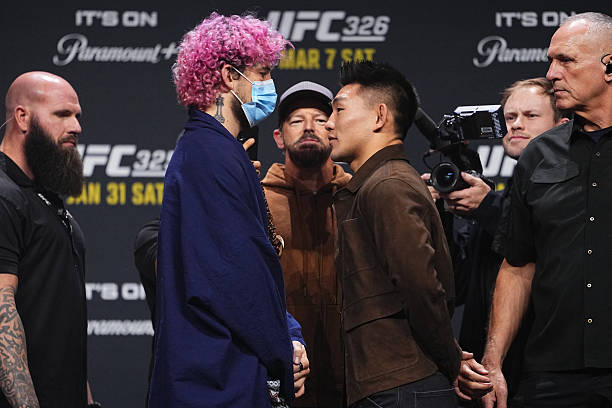
This bout functions as both a stylistic study and a referendum on direction.
Sean O’Malley remains one of the division’s most precise and creative strikers. His game is built on distance management, timing and selective output rather than sustained volume. However, recent setbacks have highlighted vulnerabilities when opponents deny him space and force extended exchanges.
Song Yadong represents a more traditional pressure fighter, but one with technical discipline. He is comfortable blending boxing combinations with clinch work and opportunistic takedowns, making him difficult to predict and harder to disengage from.
Technical Breakdown
O’Malley’s success hinges on maintaining range and resetting frequently. When allowed to dictate distance, his counters are sharp and damaging. Song’s objective will be to compress space, crowd the pocket and turn the fight into a contest of durability and consistency rather than precision.
The clinch is likely to be a pivotal battleground. Song’s ability to land short strikes and threaten level changes could limit O’Malley’s output, forcing him into defensive reactions rather than creative offence.
Divisional Stakes
An O’Malley win keeps him tethered to the title conversation in a division that moves relentlessly forward. A loss would raise questions about his ceiling against physically imposing, pressure-oriented contenders.
For Song, victory would mark a decisive step into elite contention, positioning him as a genuine threat rather than a talented gatekeeper.
Waldo Cortes-Acosta vs Derrick Lewis – Heavyweight Truth Serum
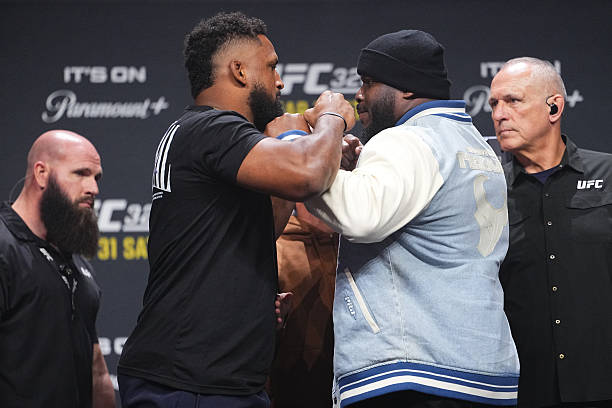
Heavyweight bouts often hinge on moments rather than minutes, and this match-up is a classic example.
Derrick Lewis remains one of the most dangerous knockout artists in the sport. His low-volume approach is deceptive, built around patience and explosive timing. Cortes-Acosta, however, represents a more technically structured heavyweight, relying on range management, jab variation and measured combinations.
Tactical Considerations
Lewis will look to shorten exchanges and invite chaos, where his power is most potent. Cortes-Acosta’s challenge is restraint. By avoiding overcommitment and striking responsibly, he can force Lewis into extended sequences that favour technical consistency over raw power.
Why It Matters
For Lewis, defeat would further signal the division’s evolution away from one-dimensional power. For Cortes-Acosta, victory would establish him as a serious presence in a weight class hungry for technically reliable contenders.
Natalia Silva vs Rose Namajunas – Momentum Versus Mastery
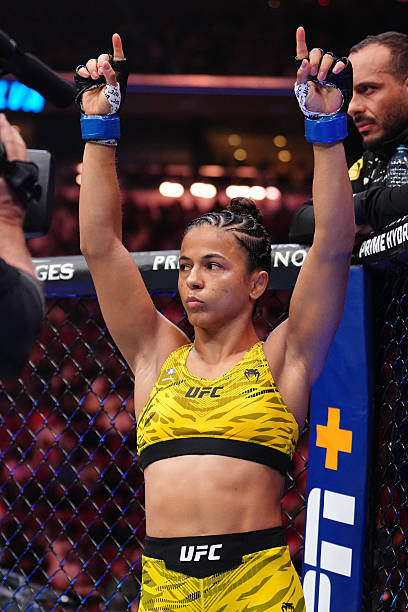
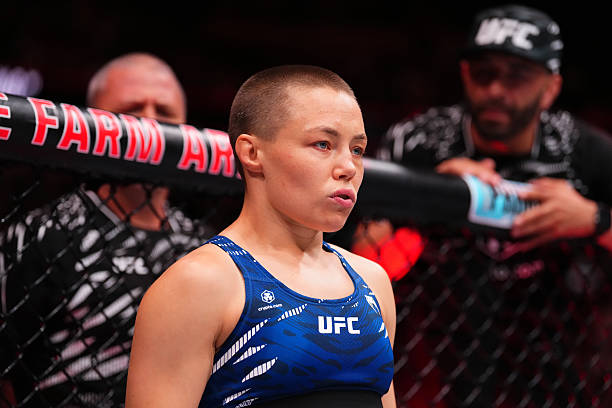
This flyweight contest encapsulates a broader generational tension within the division.
Rose Namajunas brings experience, adaptability and an elite understanding of timing. She excels at drawing opponents into mistakes through feints and subtle shifts in rhythm. Silva, on the other hand, offers pace, aggression and a willingness to force exchanges.
Silva’s best moments are likely to come through sustained pressure and volume, testing Namajunas’ ability to manage tempo. Namajunas will aim to slow proceedings, disrupt Silva’s entries and capitalise on overextensions.
Divisional Implications
A Silva win would announce a new contender in a division still searching for clear hierarchy. A Namajunas victory would reaffirm that experience and fight intelligence remain decisive weapons, even against younger, faster opposition.
Arnold Allen vs Jean Silva – Featherweight Control Versus Chaos
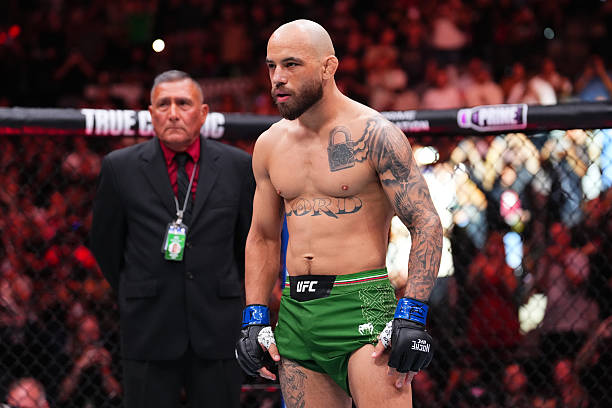
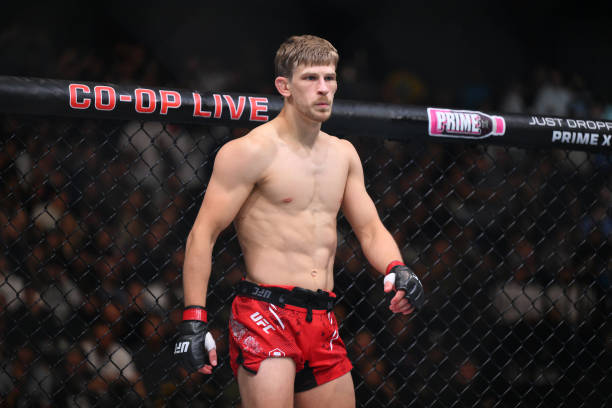
This bout’s move onto the main card is fully justified. Arnold Allen vs Jean Silva is a classic featherweight clash between composure and volatility, and one that carries real implications for the division’s second tier.
Arnold Allen has built his success on structure. His striking is economical, his footwork disciplined and his decision-making rarely impulsive. Allen excels at reading opponents over time, gradually stripping away their preferred weapons through positioning and timing rather than brute force. While not a high-output finisher, his ability to bank rounds through clean work and defensive responsibility makes him exceptionally difficult to outpoint.
Jean Silva represents the opposite end of the spectrum. Aggressive, explosive and often reckless, Silva thrives when fights descend into disorder. His offence is driven by momentum rather than planning, and when he is allowed to dictate tempo, he can overwhelm opponents with sudden bursts of power and volume.
Tactical Breakdown
Allen’s primary objective will be control — of range, of pace and of decision-making. By maintaining disciplined footwork and picking Silva apart with straight punches and counters, Allen can force Silva into chasing moments rather than creating them.
Silva’s path to victory lies in breaking Allen’s rhythm early. Forward pressure, aggressive entries and forcing exchanges in the pocket are essential if he is to prevent Allen from settling into his preferred, methodical cadence. The longer the fight remains structured, the more it favours Allen.
Why the Outcome Matters
A win for Allen reasserts his status as a dependable, elite-level featherweight capable of halting momentum and exposing flaws in rising contenders. It would place him firmly back into the conversation for fights just outside the title picture.
For Silva, victory would be transformative. Beating a fighter of Allen’s calibre would validate his aggressive style at the highest level and propel him from prospect to genuine contender.
Undercard Fights to Watch
Several remaining undercard bouts still carry implications beyond their billing.
Umar Nurmagomedov’s suffocating grappling style continues to pose one of the most complex puzzles at bantamweight against the veteran Deiveson Figueredo, while other match-ups on the card offer opportunities for fighters to reposition themselves within increasingly crowded divisions.
Final Thoughts
UFC 324 stands out because of what is at stake. Interim titles, career pivots and divisional clarity all converge on a single night. The margins will be thin, the adjustments subtle and the consequences significant.
This is not a card built on novelty. It is built on answers. By the end of the night, several divisions will look very different from how they do now.
 TheWrestlingFallacy
Leave a comment