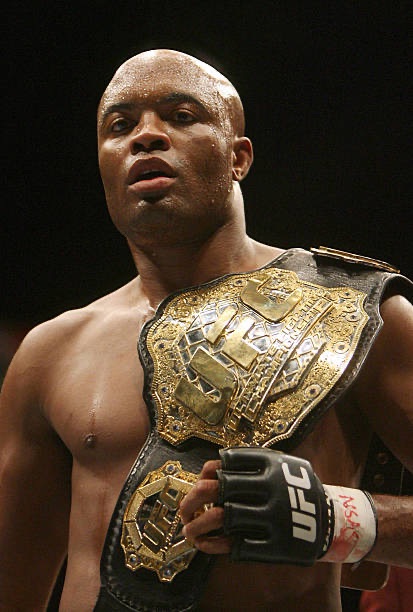
Five years have passed since Anderson Silva stepped away from professional mixed martial arts, yet his legacy continues to loom large over the sport. On this anniversary of his official retirement, it’s only fitting we look back at the career of one of the most captivating, influential, and technically brilliant fighters in MMA history.
Humble Beginnings in Brazil
Anderson da Silva was born on 14 April 1975 in São Paulo, Brazil. Raised in a modest household, Silva’s early years were far from easy. Though his family couldn’t afford luxuries, he found refuge in martial arts. He began training in taekwondo at the age of 12, later adding capoeira, muay Thai, and Brazilian jiu-jitsu to his repertoire.
Silva’s professional debut came in 1997. Fighting primarily in Brazil and Japan during his early years, he quickly built a reputation for his striking precision, unorthodox movement, and calm demeanour under pressure. His early career saw him compete in organisations like Mecca and Shooto, before gaining wider recognition in PRIDE and Cage Rage.
Entering the UFC: The Start of an Era
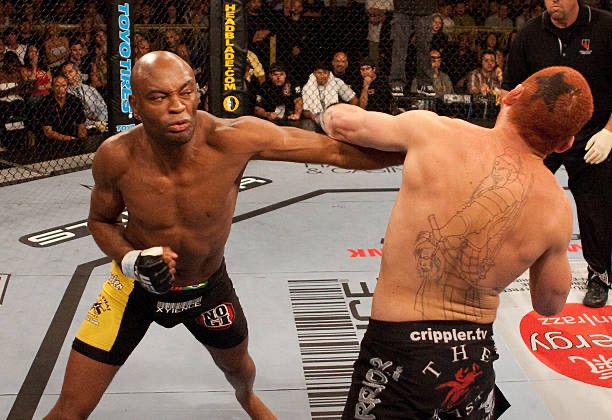
In 2006, Silva entered the Ultimate Fighting Championship (UFC) with a bang. His promotional debut against Chris Leben lasted just 49 seconds — a brutal display of muay Thai mastery that left fans stunned and the UFC brass impressed. That victory earned him a shot at then-middleweight champion Rich Franklin just four months later.
Silva dismantled Franklin with ruthless efficiency, clinching the UFC Middleweight Championship and beginning what would become the longest title reign in UFC history — a staggering 2,457 days.
The Reign: A Champion Like No Other
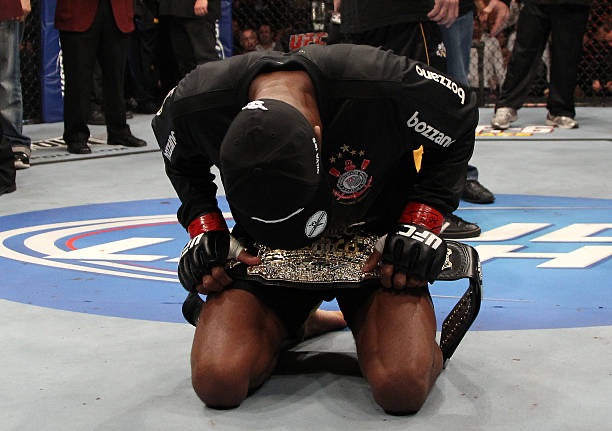
Between 2006 and 2013, Anderson Silva was untouchable. He defended his middleweight crown ten times, defeating a slew of top contenders including Dan Henderson, Vitor Belfort, Chael Sonnen, Demian Maia, and Yushin Okami.
Silva’s fighting style was mesmerising. His head movement seemed supernatural, his timing surgical. He could slip a punch by millimetres and counter with laser-like precision. His front-kick knockout of Belfort at UFC 126 is widely regarded as one of the greatest knockouts in UFC history — a moment of pure artistry.
Not just a middleweight king, Silva also flirted with light heavyweight bouts, earning first-round knockouts over James Irvin, Forrest Griffin, and Stephan Bonnar, showcasing his ability to adapt across divisions.
The Fall: The End of the Streak
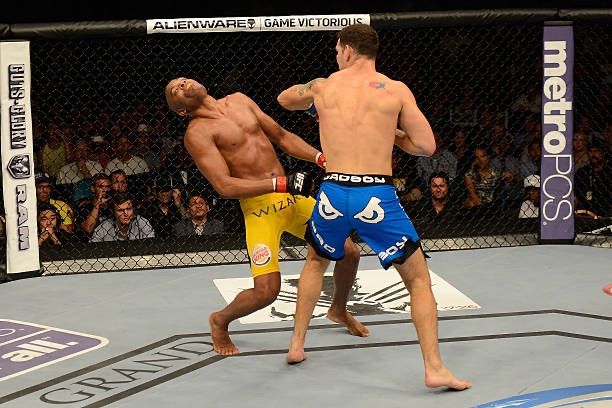
Silva’s aura of invincibility was shattered at UFC 162 in July 2013 when Chris Weidman knocked him out in the second round. Many saw Silva’s loss as a result of showboating — hands down, chin up, taunting. A rematch was booked for UFC 168 later that year, but disaster struck again: Silva suffered a horrific leg break in the second round, a moment that sent shockwaves through the MMA world.
It was a painful turning point. The man once considered invincible now seemed mortal.
The Struggles and Controversies
Silva’s return from injury in 2015 was met with anticipation, but the spark that had once defined him seemed dulled. He faced tough competition — including Michael Bisping, Daniel Cormier, and Israel Adesanya — but failed to recapture his former dominance.
In 2015, his legacy was further complicated by a failed drug test around his bout with Nick Diaz. Silva denied knowingly taking banned substances, but he was suspended and fined. Although he returned to action, the shadow of the doping scandal lingered.
His final years in the UFC were marked by losses. The magic was still visible in flashes — his performance against Adesanya in 2019 was a graceful passing of the torch — but the results were no longer in his favour.
Retirement: 31 October 2020
On 31 October 2020, after a TKO loss to Uriah Hall, Anderson Silva bid farewell to the UFC — and, as it would turn out, to MMA. At 45 years old, his exit was bittersweet. While the results of his last fights had not mirrored his prime, the respect and admiration from fans, fighters, and pundits were undiminished.
Dana White confirmed that Silva would no longer fight in the UFC, and although Silva flirted with the idea of continuing in other promotions, he ultimately transitioned into boxing and other ventures, effectively closing the MMA chapter of his life.
Life After the Octagon
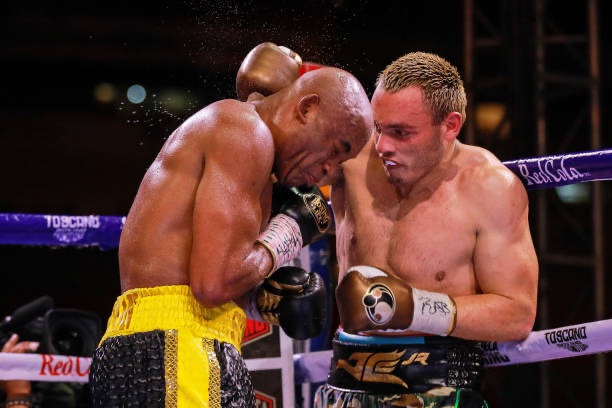
Post-retirement, Silva pursued boxing — facing the likes of Julio César Chávez Jr. and Tito Ortiz — with respectable results. He also leaned into his other passions, including acting and training his sons in martial arts.
Unlike some fighters who struggle with life after the cage, Silva has embraced his role as an elder statesman of the sport. He remains a revered figure in Brazil, a source of pride and inspiration to young athletes.
Legacy: The Greatest?
The debate over the MMA “GOAT” (Greatest of All Time) will never be definitively settled, but Anderson Silva’s name is always near the top of the list. His UFC records — most consecutive wins (16), longest title reign, most finishes in UFC title fights — speak volumes.
But beyond the numbers, Silva changed the way people viewed striking in MMA. He blended martial arts into a seamless, almost dance-like flow that was both brutal and beautiful. He didn’t just win — he performed.
Fighters like Israel Adesanya, Jon Jones, and many others have cited Silva as a major influence. In many ways, he helped elevate MMA into the mainstream as a global sport, especially in Brazil, where he stands alongside figures like Pelé and Ayrton Senna in terms of national sporting icons.
Final Thoughts
Five years since his retirement, Anderson Silva remains a symbol of what MMA can be when discipline, creativity, and passion are combined at the highest level. His legacy is etched not only in record books but in the memories of fans who witnessed his artistry and in the fighters who walk the path he helped pave.
As we honour the career of “The Spider”, we remember not just the wins, knockouts, or championships — but the magic. The moments. The man.
Obrigado, Anderson Silva.
 TheWrestlingFallacy
Leave a comment