The occasion, the opponents, and what recent history tells us
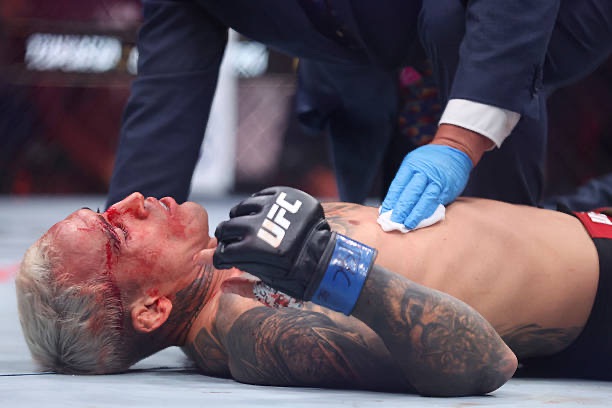
When Charles Oliveira was knocked out by Ilia Topuria at UFC 317, it felt like the end of an era. The former lightweight champion — known for his relentless pressure and granite toughness — had never been stopped like that before. A clean, devastating knockout.
Now, just a few months later, “Do Bronx” is set to return. He’ll headline UFC Fight Night in Rio de Janeiro on 11 October 2025, a homecoming for one of Brazil’s most beloved fighters. But given how recent that loss was, many are asking the same question: is it too soon?
The Quick Turnaround
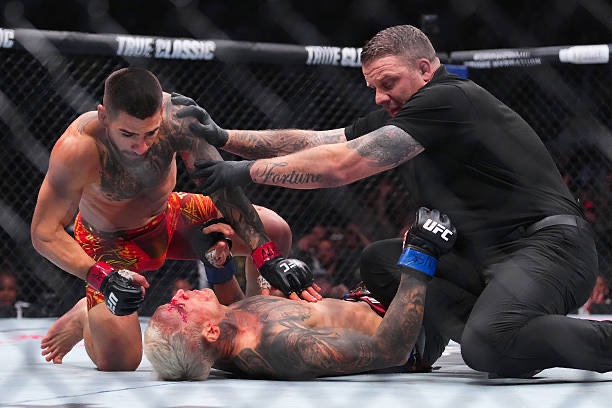
(Photo by Cooper Neill/Zuffa LLC)
It’s been less than four months since Oliveira’s first career knockout defeat. In MMA terms, that’s a blink of an eye — especially for a fighter who took real damage.
He’s had a long, punishing career, built on walking through fire and dragging opponents into his world of chaos and submissions. But after being laid out by Topuria, that durability — that almost mythic resilience — suddenly looked human.
Now, returning on home soil is as much about pride as it is about sport. Oliveira isn’t just fighting an opponent; he’s fighting perception, doubt, and the ghost of that last knockout.
From Fiziev to Gamrot: Two Very Different Threats

Originally, Oliveira was scheduled to face Rafael Fiziev — a striking specialist and one of the most dangerous Muay Thai stylists in the division. When Fiziev withdrew through injury, Mateusz Gamrot stepped in on short notice.
That late switch completely changes the dynamics of Oliveira’s quick return.
Why Fiziev Looked the More Dangerous Match-up

Fiziev represented a nightmare scenario for Oliveira at this point in his career.
After being knocked out by Topuria, the last thing Oliveira needed was a bout with another elite striker who thrives in stand-up exchanges. Fiziev’s lightning-fast counters, heavy kicks, and ability to defend takedowns make him lethal for anyone — let alone a fighter still rebuilding confidence in his chin.
Facing Fiziev would have forced Oliveira to survive extended striking exchanges early, precisely where he’s most vulnerable right now.
Why Gamrot Is a Different Kind of Problem
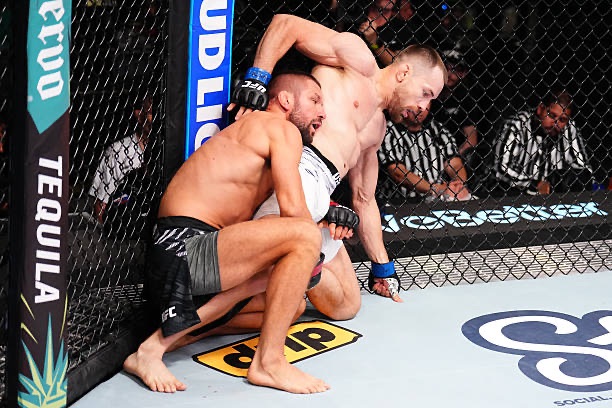
Gamrot’s strengths lie elsewhere. He’s a grappling machine — a relentless wrestler who thrives on pressure, scrambles, and positional control. That’s a completely different type of threat.
For Oliveira, that might actually be a blessing in disguise. While Fiziev could have punished him standing, Gamrot is more likely to drag him into wrestling exchanges, where Oliveira’s submission game remains world-class.
That said, Gamrot’s short-notice arrival also presents challenges. Oliveira’s entire training camp was built around a striking-heavy opponent, and switching to a wrestling-centric strategy in a matter of weeks is no small task.
Still, on paper, Gamrot poses less immediate knockout danger — and perhaps a slightly safer route back for Oliveira.
The Psychology of a Knockout
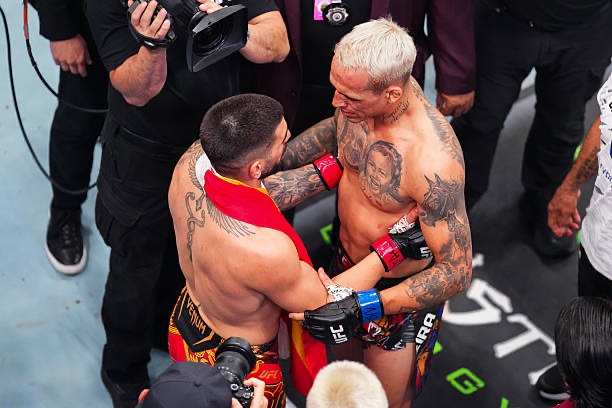
There’s the physical recovery — and then there’s the mental one. Fighters often say the first knockout changes everything. The doubts creep in. Reactions slow a half-step. The body might heal quickly, but the mind takes longer to trust itself again.
For Oliveira, that psychological recovery may be the bigger battle. He’s spoken openly about how disorienting the Topuria loss was, admitting he doesn’t remember parts of the fight. For someone whose identity is built on toughness, coming to terms with that kind of defeat is complicated.
Add the pressure of a Brazilian crowd expecting a triumphant return, and you’ve got a volatile cocktail of expectation and emotion.
What Other Fighters Have Done After Knockouts
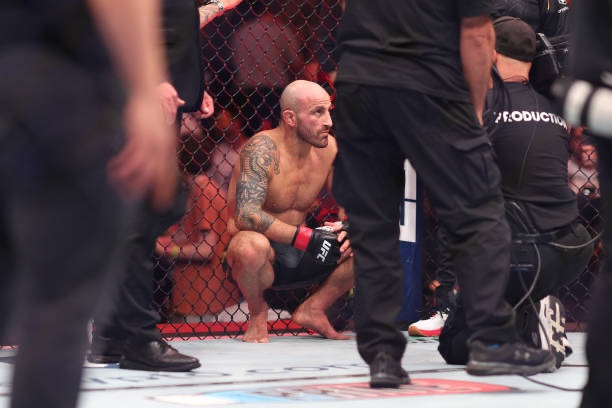
Oliveira’s choice to come back this soon invites comparisons — and recent MMA history offers a few lessons.
Alexander Volkanovski
After his knockout losses to Islam Makhachev and Ilia Topuria, after realising he made a quick turnaround between the two, featherweight champion, Alexander Volkanovski opted to take a proper break. He openly admitted that the back-to-back stoppages rattled him mentally. The key lesson from Volkanovski’s approach? There’s no shame in patience. He prioritised his health and longevity over a quick rebound.
Khalil Rountree Jr.
At UFC 320, the weekend just gone, Khalil Rountree, after a brutal KO defeat to Jiri Prochazka, has chosen to wait until 2026 before returning. His reasoning was simple: recovery first, performance second. That self-awareness is rare but smart in a sport where too many fighters rush back too soon.
Michael Bisping
At the opposite end of the spectrum, Michael Bisping returned just three weeks after a punishing loss to Georges St-Pierre — and was knocked out again by Kelvin Gastelum. He later admitted it was a mistake. It’s a stark reminder that being “medically cleared” doesn’t always mean you’re truly ready.
Patterns and Lessons
Looking at those examples, a pattern emerges:
- Fighters who rush back too soon often struggle — either physically or mentally.
- Those who take time to reset tend to perform better and protect their longevity.
- The style of opponent matters. Returning against a knockout artist often ends badly; a grappler or grinder can be a smarter route.
The Human Element
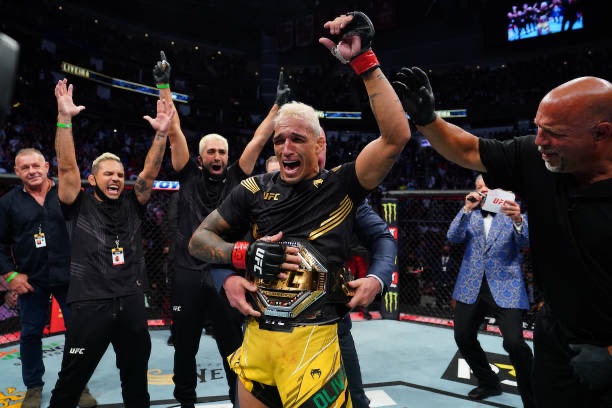
At its core, this isn’t just about tactics or timelines. It’s about the heart of a fighter. Charles Oliveira is built differently — forged in adversity, fuelled by emotion, and motivated by the desire to prove doubters wrong.
You can’t also forget the aspect of public pressure and also self preasure, especially for a chance at a homecoming, can cloud judgement. The roar of a hometown crowd can convince fighters they’re invincible when they’re still healing.
He’s lost before, rebuilt before, and reigned before. But this time feels different. He’s not just fighting another man; he’s fighting time, trauma, and the creeping whispers that come after a first knockout.
Verdict: Brave, Emotional, and Risky

Oliveira’s return is courageous, but it’s undeniably risky. The timing is tight, the psychological scars are fresh, and the margin for error is small.
Gamrot might offer a more manageable stylistic test than Fiziev, but the broader concern remains: is the fighter inside Charles Oliveira — the one who walks through fire without blinking — truly ready to do it again?
If he is, the crowd in Rio could witness one of the great redemption stories of the year.
If he’s not, it could be a painful reminder that even legends sometimes need more time to heal.
Either way, UFC Rio isn’t just another fight night. It’s a test of how much heart, health, and hunger a champion can muster after hitting the floor.
Featured image: (Photo by Ian Maule/Getty Images)
 TheWrestlingFallacy
Leave a comment