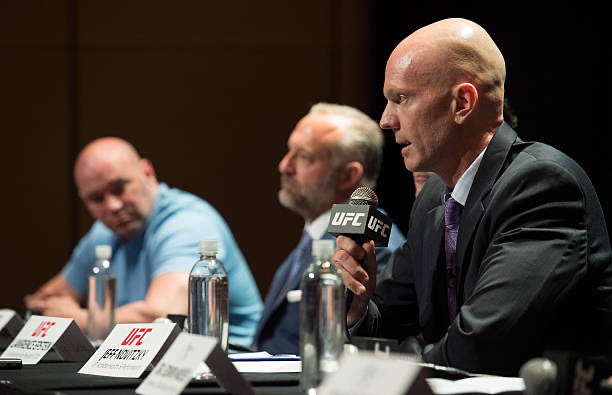
From 2015 to 2023, the UFC’s partnership with the United States Anti-Doping Agency (USADA) was billed as the gold standard for cleaning up mixed martial arts. But by late 2023, a series of flashpoints—policy carve-outs, confusing science, and a public spat over Conor McGregor’s testing status—culminated in a messy split. Beginning 1 January 2024, the UFC replaced USADA with a new structure administered by Combat Sports Anti-Doping (CSAD) and sample collection by Drug Free Sport International (DFSI). This article traces how the relationship unravelled and what replaced it.
2015–2018: High ideals, hard lessons

When the UFC brought in USADA in 2015, the idea was simple: independent, year-round, no-notice testing with uniform sanctions to restore competitive integrity after years of inconsistent athletic commission enforcement. Early headline cases, however, immediately tested the system. Brock Lesnar was granted an exemption from the standard “returning athlete” notice period to compete at UFC 200 in 2016—then failed two drug tests, turning a comeback win into a no-contest and fuelling criticism that business interests could trump policy.
Jon Jones’ saga further complicated the picture. In 2018 an independent arbitrator handed him a 15-month sanction (rather than the maximum) in a case USADA said lacked evidence of intentional cheating. The ensuing years introduced the “pulsing metabolite” phenomenon (trace, long-term remnants of oral turinabol), a concept that confused fans and fighters alike and challenged the programme’s credibility.
2019–2021: Rule rewrites and the “pulsing” era
In late 2019, USADA and the UFC revised the anti-doping policy to better deal with contaminated supplements and trace metabolites. The update introduced thresholds for certain substances and created “atypical findings” below set decision limits, rather than automatic violations. While athletes caught by contamination benefited from shorter, more proportionate penalties, critics argued the changes were confusing and unevenly communicated.
These revisions helped some fighters clear their names, but the optics were mixed: “pulsing” positives kept cancelling fights, licensing decisions varied by jurisdiction, and the public struggled to distinguish contamination from classic doping. The net effect: USADA’s authority felt more technical and less intuitive—scientifically sound, but poorly explained.
Flashpoint: Conor McGregor and the testing-pool clock
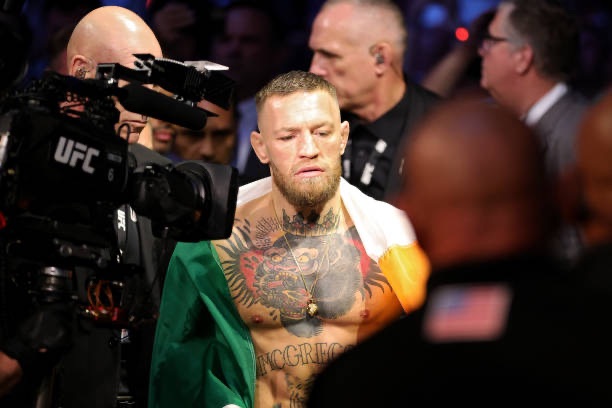
The breaking point arrived in 2023 around Conor McGregor’s return. USADA repeatedly stated that a fighter who leaves the pool must re-enter and complete six months of testing with at least two negative tests before competing. McGregor publicly suggested two clean tests should suffice; UFC leaders hinted that a path around six months might exist. In October 2023, USADA announced McGregor had re-entered the pool—and simultaneously revealed the UFC-USADA partnership would end on 31 December 2023, calling the relationship “untenable” amid the McGregor discord.
The announcement amounted to a very public divorce: the sport’s most famous anti-doping brand and MMA’s dominant promoter were no longer aligned on the foundational question of who sets eligibility rules and how exceptions (if any) are handled.
2024: What replaced USADA
Starting in 2024, the UFC launched a reworked anti-doping programme:
- Administration & sanctions: handled independently by Combat Sports Anti-Doping (CSAD), led by former FBI special agent George Piro.
- Collections: conducted by Drug Free Sport International (DFSI), a company that also works with the NFL, MLB, and others.
- Laboratory analysis: performed by the WADA-accredited Sports Medicine Research & Testing Laboratory (SMRTL) in Salt Lake City.
- Policy tweaks: for example, marijuana was removed from the prohibited list in the UFC programme; decision-concentration thresholds continued to be used to distinguish contamination from intentional doping.
- Transparency: a public testing-history page now reports test sessions rather than total samples.
The UFC described the new framework as “independent” and even “stronger”. Whether it will be perceived as independent—without the USADA brand—is the existential question.
Why the relationship really failed
1) Control vs. independence
USADA’s insistence on the six-month requirement for returning athletes clashed with the UFC’s desire for flexibility with star fighters. That conflict turned private friction into a public breakdown.
2) Trust erosion through exemptions and optics
The 2016 Brock Lesnar exemption—and its immediate aftermath—planted a long-lasting seed of doubt about whether business could override biology. Many fans and fighters never forgot.
3) Communication gaps on complex science
USADA’s science-driven shift to “atypical findings” and decision limits made sense to laboratories and lawyers but often alienated fighters and fans. When a star like Jon Jones could be licensed amid “pulsing” positives, many concluded (fairly or not) that the goalposts were moving.
4) The cost of public spats
Anti-doping regimes rely on perceived neutrality. Once USADA and the UFC were publicly contradicting each other over eligibility timelines, that perception was gone.
Did USADA “fail”, or did the partnership outgrow itself?
USADA undeniably changed fighter behaviour: out-of-competition testing became real, whereabouts mattered, and blatant PED cycles became riskier. The programme also adapted to contamination realities, reducing career-ending punishments for trace-level findings. Yet, the partnership stumbled when the hard cases—superstars, legacy events, ambiguous science—demanded both strict neutrality and immaculate messaging. The UFC wanted speed and flexibility for matchmaking; USADA wanted bright-line rules and public deference. Those goals diverged.
What to watch in the post-USADA era
- Actual independence of CSAD
Without the USADA brand (and WADA-code anchoring), public trust will hinge on transparency—who gets flagged, how sanctions are handled, and whether stars face the same rules. - Data transparency
The new public dashboard counts test sessions and posts regular updates. If the volume remains high and evenly distributed across the roster, it will help counter suspicion. - Policy clarity
Clearer explanations—what’s banned, what’s a threshold, what triggers a provisional suspension—will make or break public confidence. - McGregor-type scenarios
The original flashpoint was about eligibility timelines for returning athletes. If a marquee fighter seeks an accelerated timeline under the new regime, how CSAD handles it will define the programme’s credibility.
Bottom line
USADA’s downfall in the UFC wasn’t a revelation that anti-doping doesn’t matter—it was a reminder that who enforces the rules, how consistently, and how credibly they explain the science matters as much as the laboratories themselves. The UFC’s new CSAD/DFSI/SMRTL model promises independence and stronger processes. To succeed where USADA ultimately faltered in MMA, it must match rigorous science with visible, even-handed governance—especially when the athlete on the line is a superstar.
Featured image: (Photo by Brandon Magnus/Zuffa LLC/Zuffa LLC via Getty Images)
 TheWrestlingFallacy
Leave a comment