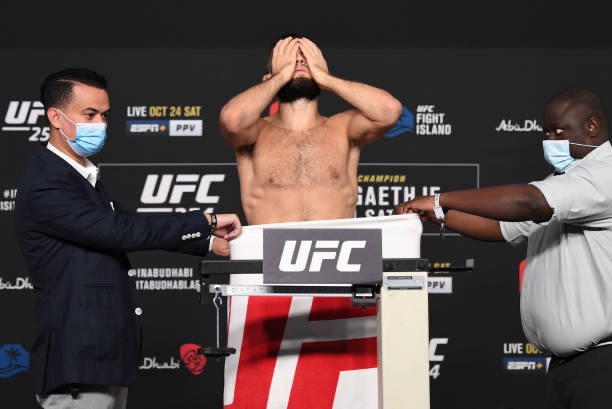
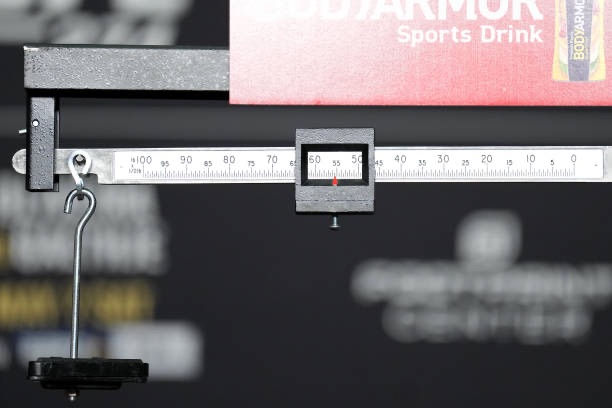
Weight cutting is a deeply ingrained practice in mixed martial arts (MMA), particularly in the UFC. Fighters often dehydrate themselves dramatically to weigh in at the lowest possible weight class, only to rehydrate and compete much heavier the next day. While some argue that this offers a physical advantage, others claim it compromises performance, safety, and the integrity of the sport. So, is weight cutting truly beneficial to UFC fighters? The answer is far from straightforward.
The Case For Weight Cutting
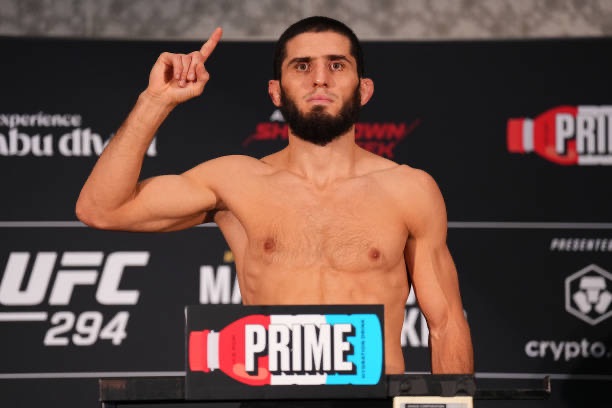
Proponents of weight cutting argue that it provides a significant size and strength advantage. By temporarily shedding weight through dehydration and then rehydrating post-weigh-in, fighters can enter the octagon noticeably larger than their opponents. This size difference, particularly in grappling exchanges and clinch work, can be crucial.
Khabib Nurmagomedov, one of the UFC’s most dominant champions, consistently cut from around 180 lbs to make the lightweight limit of 155 lbs. His ability to dominate opponents physically – pinning and mauling them on the ground – was partly attributed to his size advantage after rehydration. Supporters argue that for elite athletes with disciplined regimens, weight cutting can be done safely and effectively.
Some fighters also feel psychologically stronger knowing they’ve “suffered” more during their camp. Israel Adesanya, though not a large cutter compared to others, has mentioned that mental toughness during preparation – including dieting and weight cuts – contributes to his in-cage performance.
The Case Against Weight Cutting
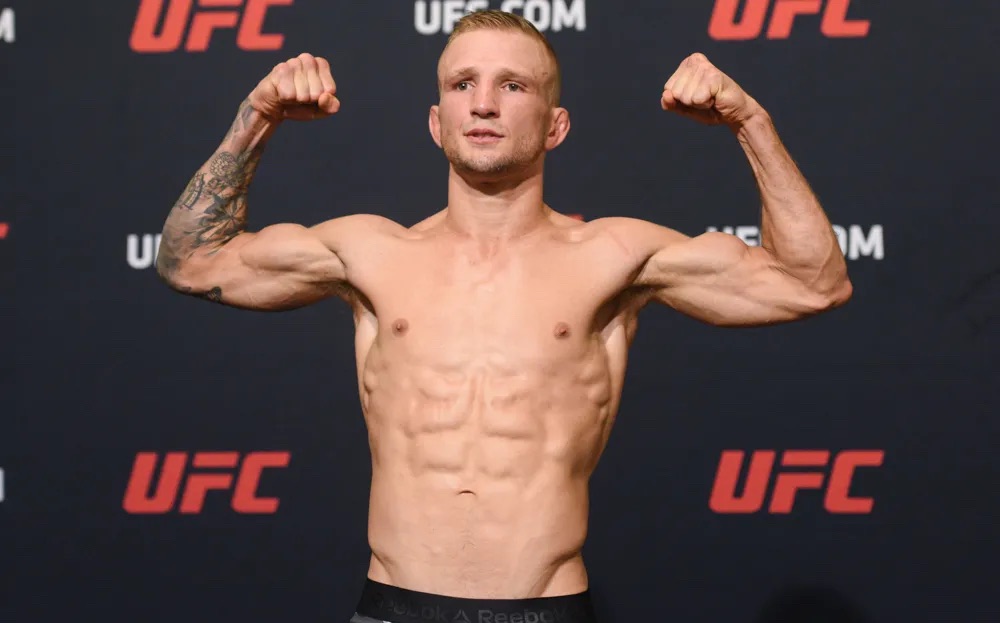
Despite its prevalence, weight cutting is increasingly criticised for the risks it poses to fighters’ health and performance. Severe dehydration affects cardiovascular function, reaction time, and cognitive abilities – all critical in a combat sport where milliseconds can separate victory from a knockout.
Perhaps the most cited example is TJ Dillashaw, who moved down to flyweight (125 lbs) to challenge Henry Cejudo in 2019. Dillashaw underwent a brutal cut, later admitting to using EPO to aid recovery. He was stopped in the first round, looking visibly drained and fragile. His poor performance and subsequent suspension highlighted the dangers of pushing the body beyond natural limits.
Another cautionary tale is Kelvin Gastelum, who repeatedly struggled to make welterweight (170 lbs) early in his UFC career. After several missed weights and inconsistent performances, Gastelum moved up to middleweight (185 lbs), where he has enjoyed more stable form, including a competitive bout against Adesanya for the interim title.
Medical professionals have also voiced concern. The British Medical Journal published findings that extreme weight cutting can lead to kidney damage, hormonal imbalance, and even death. Tragedies outside the UFC – such as the 2013 death of ONE Championship fighter Yang Jian Bing – have prompted calls for stricter regulation or even abolition of the practice.
Fighters Who Thrived at Natural Weight
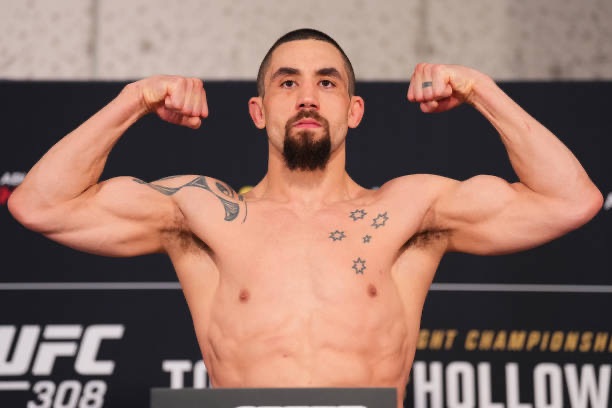
A growing number of fighters are choosing to compete closer to their natural weight – and thriving. Robert Whittaker is a key example. After moving up from welterweight to middleweight, he went on to become UFC champion, citing better energy levels and fewer injuries during camp.
Similarly, Dustin Poirier revitalised his career after moving from featherweight to lightweight. Once depleted and chinny at 145 lbs, Poirier became a top contender and interim champion at 155 lbs, where he has looked stronger and more durable.
Another standout is Nate Diaz, who spent much of his career in both lightweight and welterweight divisions, often refusing extreme cuts. His cardio-heavy, volume-striking style benefited from preserving hydration and endurance rather than focusing on size.
These examples suggest that competing at a more natural weight may not only extend a fighter’s career but also improve overall performance.
Weight Misses and the Stats Behind the Practice
The UFC has seen a sharp increase in fighters missing weight over the past decade. According to compiled data up to mid-2024, over 120 UFC fighters have missed weight since 2016. The most problematic divisions include bantamweight, lightweight, and flyweight — divisions where the margins are tighter and weight cuts often more severe.
In 2023 alone, 24 fighters missed weight across 39 UFC events — a figure that equates to a miss in more than 60% of the UFC’s scheduled months. Repeat offenders have become a concern. Fighters such as Charles Oliveira, Mackenzie Dern, and Michel Pereira have each struggled with the scales in past years, resulting in fines, cancelled bouts, or reduced title opportunities.
Moreover, research published in The Journal of the International Society of Sports Nutrition found that up to 39% of MMA athletes begin their cut just 48 hours before weigh-ins, shedding up to 10% of body weight through water loss — often without medical oversight.
Attempts at Reform

The UFC has made efforts to address the issue. Early weigh-ins were introduced to give fighters more time to recover, but critics argue this merely encourages more severe dehydration. Other organisations, such as ONE Championship, have taken bolder steps by implementing hydration tests and banning weight cutting by dehydration altogether. Fighters are matched based on “walking weight,” rather than weigh-in numbers.
While such approaches are promising, they are yet to be widely adopted in the UFC, where weight classes remain a key part of fight promotion and matchmaking.
Conclusion: A Necessary Evil or a Dangerous Tradition?
Weight cutting remains a contentious and divisive topic in MMA. While it can provide a temporary size and strength advantage, the risks – both short- and long-term – are considerable. As athletes push for longevity and the sport evolves, there is growing recognition that the current system may need reform.
Ultimately, whether weight cutting is “beneficial” depends on how one defines benefit. In the short term, it might offer a competitive edge. But when considering fighter health, safety, and performance integrity, it increasingly appears to be a dangerous and outdated practice that the UFC – and the sport as a whole – must reckon with.
Featured image credit: ABU DHABI, UNITED ARAB EMIRATES – OCTOBER 23: Khabib Nurmagomedov of Russia poses on the scale during the UFC 254 weigh-in on October 23, 2020 on UFC Fight Island, Abu Dhabi, United Arab Emirates. (Photo by Josh Hedges/Zuffa LLC)
 TheWrestlingFallacy
Leave a comment