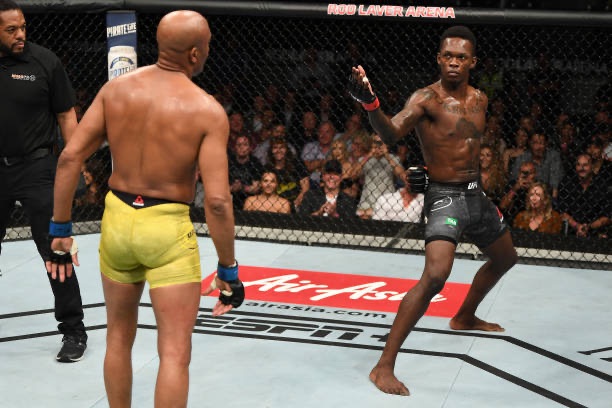
Mixed Martial Arts (MMA) has undergone a dramatic transformation since the early 1990s, when it was still viewed as a niche spectacle. What began as a raw clash of fighting styles has developed into one of the most technical sports in the world. And no part of the game has evolved more visibly than striking—the art of landing shots while avoiding them.
From wild haymakers to calculated precision, here’s how striking in MMA has evolved over the decades.
🥩 1. The Early Days – Brawlers and Chaos
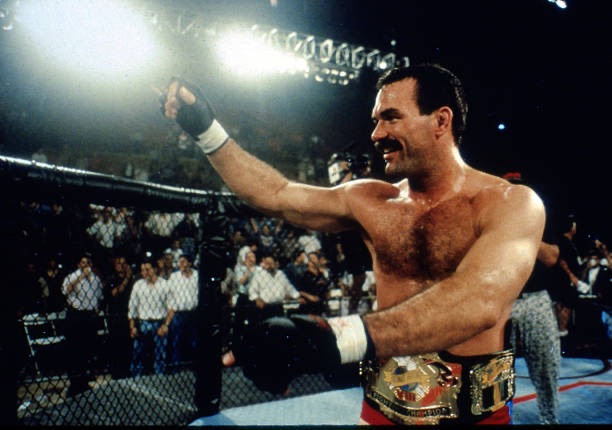
Back in the early days of the UFC, things were far less refined. Fighters like Tank Abbott or Don Frye came in swinging with minimal footwork, virtually no defence, and a single game plan: hit the other man as hard as possible.
It was messy, brutal, and entertaining—but not particularly technical. There were few combinations, little head movement, and almost no understanding of angles or setups. Striking was more pub brawl than pugilism.
🎯 2. Enter the Specialists

As the sport matured, fighters with elite striking backgrounds began entering the cage. Mirko ‘Cro Cop’ Filipović, a former K-1 kickboxer, brought lethal head kicks and elite timing into MMA. Chuck Liddell used his wrestling to keep fights standing and knock people out cold.
Then came Anderson Silva, a Brazilian striker who changed everything. With his head movement, footwork, and counter-striking, Silva made elite opponents look like amateurs. His dismantling of Forrest Griffin at UFC 101 remains a masterclass in precision and calm under pressure.
Silva showed the world that striking in MMA could be an art form.
🧠 3. Fight IQ – The Rise of Tactical Strikers
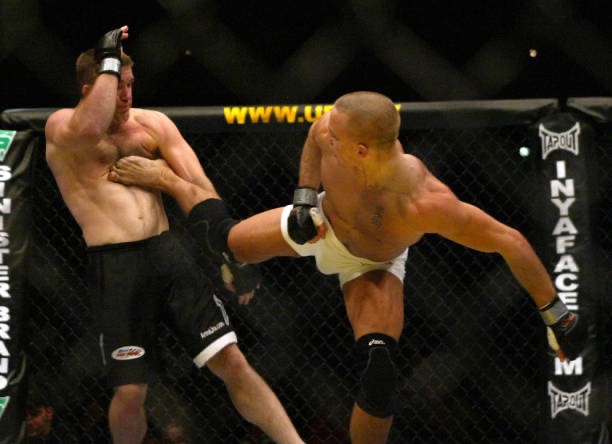
With time, striking became more cerebral. Fighters started to understand the value of feints, range control, and tempo management. Georges St-Pierre would use jabs and level changes to keep opponents guessing. José Aldo punished legs with surgical timing. Lyoto Machida used elusive karate movement to frustrate and counter.
This era introduced the concept of fight IQ—making decisions based on reads, patterns, and gameplans. Striking was no longer just about who had the fastest hands or strongest chin—it was about who could outthink and outmanoeuvre the other.
🥋 4. The Modern Striker – Style Meets Science
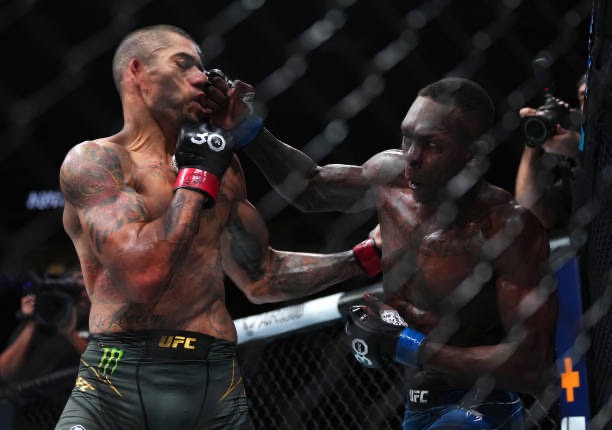
Fast forward to today, and MMA’s best strikers are complete martial artists. Israel Adesanya blends kickboxing, feints, and footwork with elite awareness of range and rhythm. Max Holloway overwhelms opponents with volume, pressure, and slick angles. Petr Yan uses high-level boxing and decision-making to break fighters down methodically.
The difference now? Integration. Fighters no longer bring a striking style—they bring many, seamlessly blended together. Modern training camps incorporate boxing, Muay Thai, Dutch kickboxing, taekwondo, and movement coaching. The result: fluid, creative strikers who can adapt in real time.
🔮 5. What’s Next for Striking?
As technology and science continue to influence the sport, the next wave of striking evolution may come from areas we’ve not seen yet. Fighters are using data analysis, biomechanics, and even AI-assisted training to fine-tune their movements.
The future of striking in MMA will be less about throwing harder and more about thinking smarter. Reaction timing, deception, rhythm manipulation—all areas that are ripe for innovation.
👊 Final Thoughts
From the wild swing-fests of the early days to the technical displays we see now, striking in MMA has matured into a true martial art. As the sport evolves, so too does the quality of its strikers. And for fans, that means every fight has the potential to be a showcase of timing, intelligence, and beautiful violence.
So next time you watch a bout, look beyond the knockouts. Pay attention to the feints, the setups, the angles. That’s where the real magic is.
 TheWrestlingFallacy
Leave a comment