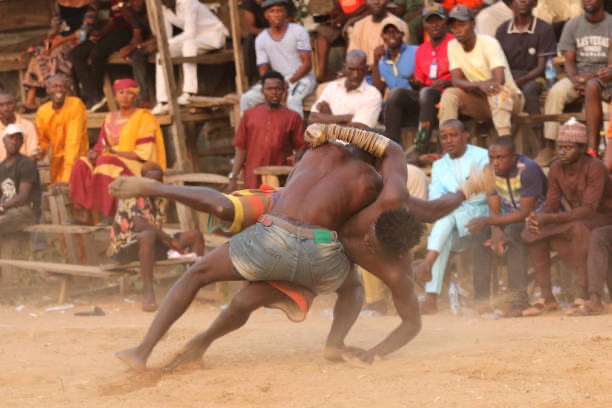
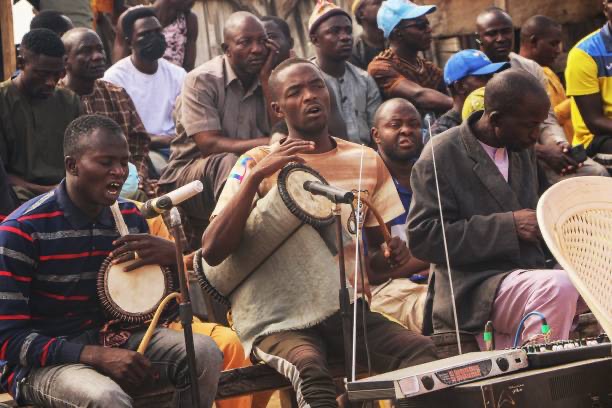
In the bustling streets of northern Nigeria, a thunderous chorus of drums, chants, and cheers signals the start of a centuries-old battle. Two fighters step into a sandy ring, fists wrapped in thick ropes, legs bare, eyes locked in fierce determination. This is Dambe—Nigeria’s traditional martial art, and one of Africa’s most visceral, culturally rich combat sports.
What Is Dambe?
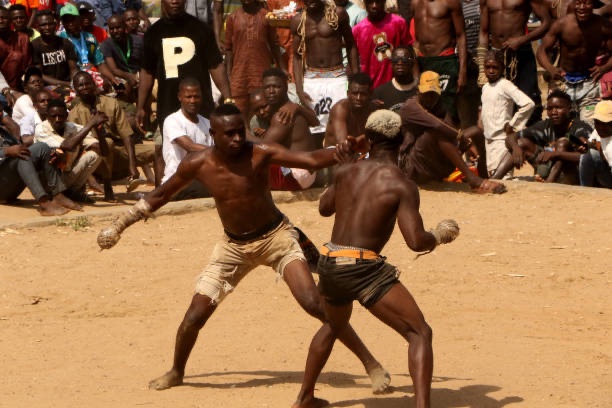
Dambe (pronounced dam-bay) is a traditional martial art practiced predominantly by the Hausa people of northern Nigeria. Originally performed by butchers and members of trade guilds as part of harvest festivals, it has grown into a structured, adrenaline-fueled sport that mixes raw athleticism with deep cultural significance.
The objective in Dambe is straightforward: knock your opponent down. A match usually lasts three rounds or ends when one fighter can no longer continue. But what makes Dambe unique is its striking style. Fighters wrap one hand—their dominant one—in a tightly bound cloth called a “spear” or “spear hand”. This is the only hand allowed for striking. The other arm is kept unwrapped and used primarily for defence and balance.
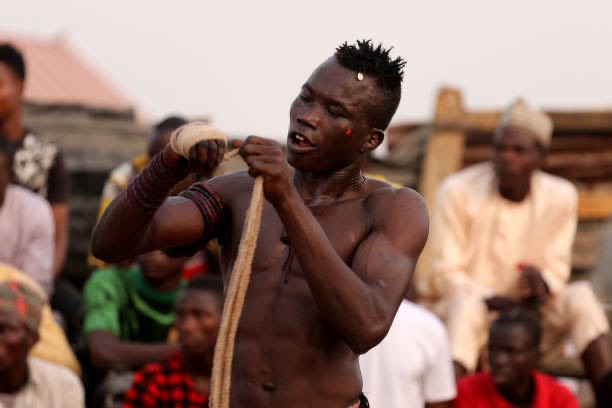
Fighters also kick with their legs, and a good knockout can come from a well-timed sweep as much as a punch. Battles are fast, aggressive, and often end in dramatic fashion, with roaring crowds and celebratory dancing.
A Blend of Combat and Culture
Dambe is more than just a fight—it’s a ritual. Before matches, fighters (known as “Dambe warriors”) engage in traditional music, dances, and incantations to summon strength and good fortune. Many wear amulets or apply herbs and charms believed to provide spiritual protection or boost power. For centuries, these customs have tied Dambe to community identity, religion, and tradition.
Historically, Dambe matches were tied to agricultural cycles and local ceremonies. Fighters, often drawn from nomadic or working-class backgrounds, traveled between towns like traveling prizefighters, gaining local fame and communal pride.
The Modern-Day Revival
Once a largely underground sport, Dambe is experiencing a revival—and even a digital transformation. In recent years, thanks to social media and platforms like YouTube, Dambe has gained international attention. Channels showcasing fights from dusty villages to makeshift arenas have amassed millions of views, sparking interest from combat sports fans around the world.
This new wave of exposure has led to better organization, new sponsorship deals, and structured tournaments. Some Nigerian entrepreneurs and media companies have begun professionalising the sport, setting up leagues, training academies, and safety protocols.
There’s also an emerging movement to bring Dambe into mainstream martial arts circles—perhaps even to global stages like ONE Championship or UFC-style events. Advocates see it as Nigeria’s answer to Muay Thai or Brazilian Jiu-Jitsu—a deeply cultural fighting style with global appeal.
Challenges on the Road to Global Recognition
Despite its potential, Dambe faces several hurdles. Safety remains a concern, as many fighters compete without proper medical oversight or protective gear. There’s also the issue of regulation—standardizing rules, judging, and matchmaking is crucial for the sport to gain credibility on a global stage.
Moreover, balancing modernisation with tradition is a delicate act. While some purists fear that international attention might water down Dambe’s cultural roots, others believe that evolution is essential for its survival and growth.
Why Dambe Matters
In a world where combat sports are becoming increasingly commodified, Dambe stands out. It’s raw, real, and rooted in identity. It tells the story of a people, a land, and a legacy passed down through generations.
As Dambe steps into the spotlight, it carries with it the heartbeat of northern Nigeria. It’s not just a fight—it’s a cultural revolution in motion. And if you listen closely, you can already hear the sound of drums echoing far beyond the Sahel, calling the world to witness the rise of Africa’s next great fighting tradition.
Interested in Dambe?
You can watch live fights and highlights on YouTube by searching for “Dambe Warriors” or “Dambe Nigeria.” Support local fighters, follow their journeys, and be part of this exciting cultural comeback.
 TheWrestlingFallacy
Leave a comment