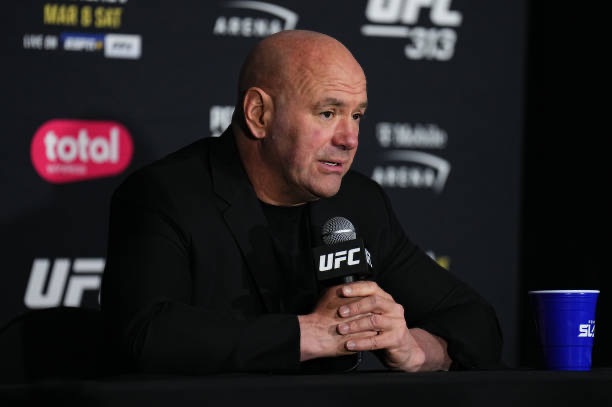
The Ultimate Fighting Championship (UFC) is a remarkable success story in sports. What began as a niche combat event in 1993 has grown into a multi-billion-dollar enterprise, redefining mixed martial arts (MMA) and establishing itself as a global powerhouse. By blending athletic competition, entertainment, and marketing, the UFC has achieved unparalleled growth in the world of combat sports.
The Early Days: 1993–2000
The UFC’s first event, UFC 1, was held on November 12, 1993, in Denver, Colorado. The concept was simple: pit martial artists from different disciplines (e.g., karate, boxing, jiu-jitsu) against one another to determine the most effective fighting style. Despite its novelty, the UFC faced significant challenges:
- Financial Struggles: The early UFC events had no weight classes, few rules, and minimal regulation, leading to a reputation as a “human cockfighting” spectacle.
- Limited Audience: Pay-per-view (PPV) sales were modest, and the UFC struggled to break into mainstream sports broadcasting.
- Legal Issues: Political pressure, spearheaded by Senator John McCain, led to the UFC being banned in many states.
By 2000, the UFC was on the brink of collapse, with its parent company, SEG, losing millions of dollars.
The Fertitta Era: 2001–2016
In 2001, casino magnates Lorenzo and Frank Fertitta, along with Dana White, purchased the UFC for $2 million. This marked the beginning of a dramatic transformation. Key strategies under their leadership propelled the UFC into a new era:
1. Regulation and Legitimacy
- Unified Rules of MMA: Weight classes, stricter rules, and sanctioning by state athletic commissions brought legitimacy to the sport.
- State Approvals: By 2005, MMA was legal in 22 states, allowing the UFC to expand its geographic footprint.
2. Mainstream Exposure
The breakthrough came with The Ultimate Fighter (TUF), a reality TV show launched in 2005. The dramatic finale between Forrest Griffin and Stephan Bonnar, aired live on Spike TV, captivated audiences and marked a turning point for MMA.
- Impact of TUF:
- Increased fan interest in MMA.
- Improved PPV sales: UFC 52, headlined by Randy Couture vs. Chuck Liddell, earned 280,000 buys, up from 150,000 for UFC 50.
3. Pay-Per-View Dominance
PPV events became the UFC’s lifeblood, with fighters like Chuck Liddell, Georges St-Pierre, and Anderson Silva becoming household names. By 2009, the UFC held 8 of the top 10 PPV events of the year in combat sports.
4. International Expansion
The UFC began expanding globally:
- UFC 70 (2007) in the UK and UFC 134 (2011) in Brazil marked its push into international markets.
- The UFC’s first event in Canada (UFC 83) attracted over 21,000 fans in Montreal.
By 2010, the UFC was valued at $1 billion.
The WME-IMG Era: 2016–Present
In 2016, the Fertitta brothers sold the UFC to WME-IMG (now Endeavor Group Holdings) for $4 billion, the largest sale in sports history at the time. Under new ownership, the UFC’s growth has accelerated even further:
1. Revenue Explosion
The UFC has diversified its revenue streams:
- ESPN Deal: In 2018, the UFC signed a $1.5 billion, 5-year broadcasting deal with ESPN. This move increased accessibility and viewership, bringing MMA to millions of new fans.
- Sponsorships: The UFC has inked major sponsorship deals, including partnerships with Venum (apparel), DraftKings, and Monster Energy.
- PPV Sales: High-profile bouts featuring stars like Conor McGregor, Khabib Nurmagomedov, and Israel Adesanya have shattered PPV records. Notable events include:
- UFC 229 (McGregor vs. Khabib): Over 2.4 million buys, the highest in UFC history.
- UFC 264 (McGregor vs. Poirier 3): 1.8 million buys, making it one of the UFC’s top-grossing events.
2. International Growth
The UFC has expanded its presence in key regions:
- UFC Apex: The UFC’s production facility in Las Vegas allowed it to host events during the COVID-19 pandemic, maintaining momentum when other sports halted operations.
- UFC 243 (Australia): Drew 57,127 fans, breaking attendance records.
- Abu Dhabi Partnership: The UFC’s partnership with Abu Dhabi includes hosting events on Fight Island, cementing its footprint in the Middle East.
3. Social Media and Streaming
The UFC leverages social media and streaming platforms to engage fans:
- Social Reach: Over 50 million Instagram followers and millions more across YouTube and Twitter.
- UFC Fight Pass: A subscription-based platform offering live fights and archived content, catering to hardcore fans.
Key Statistics Highlighting UFC Growth
- Revenue:
- 2001: Estimated $45 million in annual revenue.
- 2022: Exceeded $1 billion in revenue for the first time.
- Global Reach:
- Events held in over 25 countries on 6 continents.
- Broadcasted in over 165 countries, reaching 1 billion homes worldwide.
- Attendance:
- Record crowd: UFC 243 (Australia), with 57,127 fans.
- Average attendance for major events: 15,000–20,000.
- PPV Growth:
- Early 2000s: Most events sold under 200,000 PPVs.
- 2020s: Major events frequently exceed 1 million PPV buys.
- Social Media:
- Over 100 million followers across platforms, making the UFC one of the most-followed sports leagues globally.
Challenges and Opportunities
Challenges
- Fighter Pay: Critics argue the UFC underpays its fighters compared to other major sports leagues, even as revenues soar.
- Competition: Promotions like Bellator, ONE Championship, and the PFL continue to grow, challenging the UFC’s dominance.
Opportunities
- Women’s MMA: The rise of stars like Ronda Rousey, Amanda Nunes, and Valentina Shevchenko has elevated women’s divisions.
- New Markets: Regions like Africa, India, and Southeast Asia offer untapped potential for MMA expansion.
- Crossover Fights: Events like McGregor vs. Mayweather (boxing) demonstrate the appeal of crossover events.
Conclusion
The UFC’s journey from a fringe spectacle to a global phenomenon is nothing short of extraordinary. Strategic leadership, marketing brilliance, and an unwavering commitment to innovation have propelled the organisation to the forefront of combat sports. With its billion-dollar valuation, international reach, and loyal fanbase, the UFC shows no signs of slowing down. As the sport continues to grow, the UFC will likely remain its driving force for years to come.
 TheWrestlingFallacy
Leave a comment