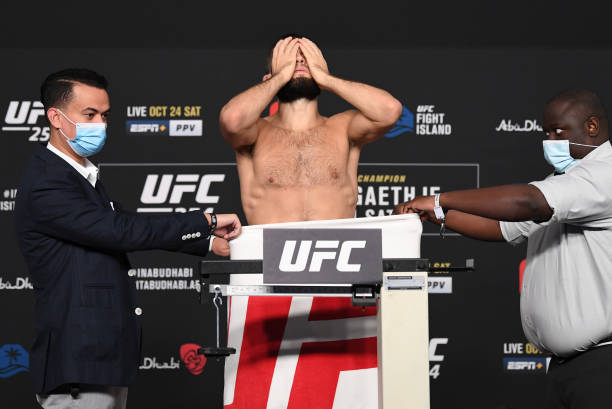
Weight cutting is one of mixed martial arts’ most controversial yet integral aspects. It involves fighters drastically reducing their body weight in the days leading up to a fight to compete in a specific weight class. While this practice is deeply embedded in combat sports, it raises questions about safety, fairness, and the balance between performance and health.
What is Weight Cutting?
Weight cutting typically involves two phases:
- Dietary Weight Loss: Fighters reduce body fat and sometimes muscle mass through a calorie deficit and rigorous training in the weeks leading up to a fight.
- Water Weight Loss: In the final days before weigh-ins, fighters use dehydration techniques to shed several kilograms of water from their bodies. This is achieved through methods such as sauna sessions, water loading (drinking excessive amounts of water initially, then stopping), and salt restriction.
Fighters rehydrate and replenish their bodies to regain weight after the weigh-in, which usually takes place 24 to 36 hours before the fight. This strategy allows them to enter the cage significantly heavier than their official weigh-in figure, theoretically giving them a size and strength advantage over their opponent.
The Risks of Weight Cutting
While weight cutting is seen as a tactical manoeuvre, it comes with significant risks:
1. Dehydration and Health Complications
Extreme dehydration can have severe consequences, including:
- Kidney Damage: Repeated dehydration can lead to acute kidney injuries and long-term renal issues.
- Cognitive Impairment: The brain relies on proper hydration to function. Dehydration increases the risk of concussions and reduces reaction times.
- Heart Issues: Sudden shifts in fluid levels can strain the heart, increasing the risk of cardiac arrhythmias.
- Death: Tragically, some fighters have lost their lives due to the toll weight-cutting takes on the body.
2. Poor Performance
While fighters aim to gain an advantage through weight-cutting, excessive dehydration can have the opposite effect. Fatigue, reduced endurance, and impaired cognitive function may negate any size or strength benefits.
3. Unfair Competition
Weight cutting often creates a mismatch between fighters. Someone who cuts more effectively may face an opponent naturally closer to the weight limit, creating disparities in size and power.
Famous Cases and Incidents
Several high-profile incidents have brought weight cutting under scrutiny:
- Khabib Nurmagomedov: The former lightweight champion experienced severe complications during weight cuts, leading to the cancellation of fights.
- Aspen Ladd: Her visibly shaky and unstable appearance during weigh-ins highlighted the toll weight cutting can take on athletes.
- Deaths in Combat Sports: Fighters such as Yang Jian Bing and Leandro Souza tragically died due to complications from weight cutting.
Tragic Deaths from Weight-Cutting
Weight cutting is not just a health risk—it has claimed lives, leaving an indelible mark on the sport. Below are some notable cases of fighters who tragically died as a result of extreme weight-cutting:
Yang Jian Bing (1993–2015)
- What Happened:
A 21-year-old fighter from China competing in ONE Championship, Yang Jian Bing, suffered fatal complications while cutting weight for his flyweight bout. He experienced severe dehydration, which led to cardiac arrest. Despite efforts to save him, he passed away on 11 December 2015. - Impact:
Yang’s death was a wake-up call for ONE Championship, leading to the introduction of their rigorous hydration testing system. It also highlighted the urgent need for safer practices across the sport.
Leandro Souza (1988–2013)
- What Happened:
Leandro “Feijao” Souza, a Brazilian MMA fighter, died during the weight-cutting process for Shooto Brazil 43. Reports indicated he collapsed after taking diuretics and dehydrating himself to make weight. - Impact:
Souza’s death reignited debates about fighter safety in Brazil and globally. It underscored the dangers of diuretics, which can cause severe electrolyte imbalances and heart issues when used during extreme dehydration.
Jessica Lindsay (1998–2017)
- What Happened:
Jessica Lindsay, a young Australian Muay Thai fighter, tragically passed away during her weight cut for an amateur bout. She was 18 years old. Lindsay reportedly attempted to shed several kilograms rapidly, leading to acute dehydration and multi-organ failure. - Impact:
Her death sparked calls for stricter regulations in amateur combat sports and better education for athletes and trainers about the dangers of rapid weight cutting.
Danielle Downey (1981–2005)
- What Happened:
Although not a fighter, Danielle Downey’s death illustrates the broader dangers of weight-cutting culture in sports. A collegiate wrestler, Downey succumbed to kidney failure following a weight cut.
Why Do Fighters Cut Weight?
Despite the risks, fighters continue to cut weight for several reasons:
- Competitive Advantage: Entering the cage heavier than one’s opponent can provide an edge in grappling exchanges and striking power.
- Established Norm: Weight cutting is ingrained in the culture of MMA, and fighters fear being at a disadvantage if they don’t follow suit.
- Weight Class Limitations: MMA organisations have fixed weight classes, leaving no flexibility for fighters whose natural weight falls between categories.
Efforts to Reform Weight Cutting
Combat sports organisations have taken steps to mitigate the dangers of weight cutting:
- Hydration Tests: Promotions like ONE Championship have implemented hydration tests to ensure fighters are not excessively dehydrated. This system requires athletes to compete closer to their natural weight.
- Early Weigh-Ins: The UFC introduced morning weigh-ins to provide fighters with more time to rehydrate, although this has had mixed results.
- Weight Class Adjustments: Some have proposed adding more weight classes to reduce the need for drastic cuts. For instance, introducing a 165-pound division in the UFC has been a popular suggestion.
- Education and Monitoring: Athletic commissions and promotions are working to educate fighters and coaches about the dangers of extreme weight cutting and encourage safer practices.
Fighters using hydration tests, like those implemented in ONE Championship, may attempt to exploit loopholes to pass the tests while still cutting significant weight. Though ONE’s system is designed to prioritise safety, no system is entirely foolproof, especially in a sport where the stakes are high and competitive advantages are sought at all costs. Here’s how some fighters might circumvent hydration testing:
1. Strategic Fluid Manipulation
Fighters may temporarily rehydrate to pass the urine-specific gravity (USG) test while still remaining in a semi-dehydrated state. Here’s how it works:
- Short-Term Water Intake: Fighters consume small amounts of water just before the test to dilute their urine. This can make their urine appear sufficiently hydrated, even if their body is not fully rehydrated.
- Timing the Test: By carefully timing water consumption, fighters can create a temporary window where their urine meets hydration standards.
Risks:
This strategy can backfire, as over-drinking water too quickly can lead to bloating or water intoxication, and it might not be enough to pass the test if the fighter is severely dehydrated.
2. Manipulating Urine Samples
Fighters may use methods to tamper with the urine sample itself. While risky and often detectable, these tactics have been employed in sports with similar testing procedures:
- Dilution of the Sample: Fighters might secretly add water to their urine sample to reduce its specific gravity.
- Substitution: Rare but possible, some may try substituting their urine with that of someone who is hydrated, though strict monitoring during the testing process makes this exceedingly difficult.
Risks:
These methods are unethical, carry penalties if detected, and can tarnish a fighter’s reputation.
3. Controlled Diuretic Use
Although diuretics (substances that promote urination) are banned in most combat sports due to their weight-cutting applications, fighters may attempt to use undetectable or low doses of diuretics to manipulate hydration levels:
- Masking Dehydration: Diuretics can help eliminate retained water from the body but might still allow fighters to produce less concentrated urine.
- Timing of Diuretic Use: By carefully timing diuretic intake, fighters can minimise the window of detection.
Risks:
Diuretics can cause severe electrolyte imbalances, kidney issues, and even heart problems, making this a highly dangerous and unethical approach.
4. Rapid Rehydration After an Initial Cut
Fighters might still attempt drastic dehydration but use highly advanced rehydration protocols immediately after:
- Intravenous (IV) Rehydration: Although IV rehydration is banned in many promotions, it remains a potential loophole for those willing to take the risk. An IV can rapidly restore fluid levels, potentially skewing hydration tests.
- Electrolyte Loading: Fighters consume electrolyte-heavy drinks or supplements to accelerate water absorption and balance hydration levels quickly before tests.
Here’s a short clip of Demetrious Johnson explaining how fighters use this method
Risks:
IV use is heavily monitored and banned in most MMA organisations, so fighters caught employing this method face severe consequences.
5. Cutting Weight Far in Advance
Another tactic is to cut significant weight well before fight week and then stabilise at a lower weight while maintaining hydration levels:
- Gradual Water Manipulation: Fighters reduce their body’s overall water retention capacity over time, allowing them to weigh less while staying hydrated.
- Conditioning the Body: Long-term dieting combined with water-loading strategies can make weight-cutting appear less severe during official checks.
Risks:
This approach requires extreme discipline and meticulous planning, but prolonged caloric deficits can drain fighters during the fight.
6. Exploiting Testing Schedules
Hydration tests are typically conducted at specific times during fight week. Fighters might try to manipulate their hydration status depending on the testing schedule:
- Hydrating for the Test Only: Fighters may intentionally hydrate only during test times while remaining in a dehydrated state the rest of the time.
- Gaming the Timing: Fighters might attempt to delay or request rescheduling of tests if they are not in an optimal state to pass.
Risks:
This is harder to execute in organisations with strict testing protocols or unpredictable test timings.
Why Loopholes Persist
Despite the strictness of hydration tests, fighters and teams sometimes take risks to find ways around the rules for several reasons:
- Competitive Pressure: Fighters may feel the need to maximise size and strength advantages, especially if opponents are known to be naturally larger.
- Lack of Universality: Without hydration testing in other major promotions, some fighters might not fully buy into the system’s philosophy.
- Cultural Norms: Once again weight-cutting is deeply ingrained in MMA culture, making it hard for fighters to trust alternative approaches.
A Cultural Shift is Needed
While regulatory measures are helpful, the culture around weight-cutting in MMA must change. Fighters, coaches, and organisations need to prioritise health and safety over perceived advantages. Encouraging athletes to compete closer to their natural weight and promoting better training and nutrition practices can help reduce reliance on drastic cuts.
Conclusion
Weight cutting remains a double-edged sword in MMA. It offers strategic advantages but poses undeniable risks to fighters’ health and the sport’s integrity. As the sport evolves, a collective effort from fighters, promotions, and regulators will be necessary to ensure that weight-cutting practices are safer and more equitable. Striking this balance will protect athletes and preserve the competitive spirit that makes MMA so thrilling.
 TheWrestlingFallacy
Leave a comment